Kindergarten to 2nd grade homeschool curriculum: a complete guide
The first three years of homeschool are the easiest to do well and the easiest to overdo. A five-, six- or seven-year-old needs three things from formal lessons: daily practice reading, daily practice with numbers, and a steady diet of interesting content read aloud. Everything else — the science, the history, the geography, the art — arrives most naturally through a topic the child already cares about, which is what the interest guides on this site are built for.
This page lays out what a week actually looks like at this age, what the published standards for kindergarten through second grade ask for (less than most parents fear), a 36-week year assembled from six of the interest guides, and how to keep records that will satisfy a portfolio review without turning the kitchen table into a filing cabinet.
What a typical week looks like in grades K–2
Formal work in K–2 runs about one to two hours a day, split into short blocks of ten to twenty minutes, four or five days a week. Kindergarten sits at the low end and second grade at the high end. That is not a compromise; it is roughly the amount of direct instruction a young child receives in a classroom once transitions, lines and waiting are subtracted, and at home the attention is undivided. The rest of the day is play, outdoors, chores, drawing and being read to, all of which are doing real work.
The non-negotiables are reading and math, every day. Reading at this age means systematic phonics — letter sounds, blending, then the patterns of English one at a time — for fifteen minutes, followed by the child reading something at their level to you. Math means fifteen to twenty minutes of counting, number bonds, place value and simple operations, most of it with real objects before symbols. Handwriting is a separate ten minutes; it is a motor skill and it improves with short daily practice, not long occasional sessions.
The interest unit is where science, social studies and most of the writing live, in a thirty- to forty-five-minute block three or four days a week. On a dinosaur week that block might be a read-aloud about fossils, a sorting activity by diet, and a sentence or two dictated into a notebook. It looks like play because it is — with reading, counting and description folded inside it.
Read-aloud versus independent reading is the question parents ask most. In kindergarten and most of first grade, nearly all real content comes in through your voice: picture books, early nonfiction, chapter books well above what the child can decode. That is where vocabulary and background knowledge are built. Independent reading starts as five minutes of decodable text and grows; by the end of second grade most children can read an early chapter book alone for fifteen or twenty minutes. Keep reading aloud anyway — a second grader listening to a book written for ten-year-olds is doing more for their comprehension than any worksheet.
A daily rhythm for grades K–2
| Block | Time | What happens |
|---|---|---|
| Read-aloud | 20–30 min | A picture book or chapter from a longer book, often on the current unit topic, plus one just for pleasure. |
| Phonics and reading | 15–20 min | One new sound or pattern, blending practice, then the child reads a short decodable text aloud to you. |
| Math | 15–20 min | Counting, number bonds, place value and simple operations with objects first, then on paper. Games count. |
| Handwriting | 10 min | Letter formation in kindergarten and first grade, then copywork of one good sentence from the read-aloud. |
| Interest unit | 30–45 min, 3–4 days | Science, social studies, art and a little writing, all through the current topic: a sort, a model, a drawing with labels. |
| Outdoors and play | As long as possible | Not a break from learning. Gross motor, negotiation, observation and the rest that makes tomorrow's lesson work. |
How interest-led units map to the grades K–2 standards
The standards for kindergarten through second grade are modest and concrete, and most of them are met by the daily reading and math blocks. On the reading side, the Common Core foundational skills (the RF strand: print concepts, phonological awareness, phonics and fluency — for example CCSS.ELA-LITERACY.RF.1.3, knowing and applying grade-level phonics) are exactly what a phonics program does. Writing standards at this band ask for a few sentences of narrative, opinion or explanation (CCSS.ELA-LITERACY.W.2.2 is the second-grade informative version), which a dictated or hand-written caption in a unit notebook satisfies.
Math in K–2 is counting and cardinality, addition and subtraction within 20 and then within 100, place value to hundreds, and measurement with tools (CCSS.MATH.CONTENT.2.MD.A.1). The interest guides put that measurement into contexts a child wants: how many of you tall is a Tyrannosaurus, how many cups of flour in a double batch, how many planets fit on the driveway. The counting is the same; the reason for counting is better.
Science and social studies are where an interest-led unit does the real mapping. The Next Generation Science Standards for K–2 ask children to observe what plants and animals need to survive (K-LS1-1), to notice how animals use their body parts (1-LS1-1), to model how animals move seeds and pollen (2-LS2-2), and to define a simple problem and try a solution (K-2-ETS1-1). Every one of those is a week in the animals, insects, bees and butterflies or castles guides. The C3 social studies framework's K–2 indicators are about comparing life in the past with life today and reading simple maps, which the history guides — ancient Rome, castles and knights, the American Revolution — do through stories and objects rather than dates.
The practical point: you do not need to check off standards one by one at this age. Do reading and math daily, run one interest unit at a time with a notebook, and at the end of the year the list will be covered. The band section of every guide below says which activities do that work.
A suggested 36-week year for grades K–2
A 36-week year at this band is six units of six weeks, which is about as long as a five- or six-year-old's interest in one topic comfortably lasts. The order below alternates science and history topics, puts the kitchen unit in winter and the pollinator unit in spring when there is something outside to watch, and runs from the most universally loved topic (dinosaurs) to build the habit of the unit block early. Swap freely: any six of the 32 guides work, and a child's own obsession beats any of them.
Each guide's K–2 section has four activities and a reading suggestion; over six weeks you will repeat the best ones, add library books on the topic, and let the child lead the last week toward whatever they most want to make. The portfolio column is what to keep.
| Unit | Weeks | Guide | The six-week thread | Portfolio |
|---|---|---|---|---|
| 1 | 1–6 | Dinosaurs | Sorting by diet, size and how they moved; a plaster-cast fossil; measuring a T. rex on the sidewalk; a three-card timeline so the child learns that not all dinosaurs lived at once. | The sorting chart with the child's reasons, a photo of the cast fossil, the measuring page with the count written in. |
| 2 | 7–12 | Animals & Wildlife | Careful looking, simple classification (mammal, bird, reptile), lots of drawing and describing; a window feeder as the science lab. | Labeled field drawings, a week of feeder tallies, a dictated animal fact page. |
| 3 | 13–18 | Solar System | The eight planets in order, rocky versus gas giant, a nightly Moon log, and a scale walk down the street that makes the emptiness of space real. | The Moon calendar, a planet-order strip, a drawing of the scale walk. |
| 4 | 19–24 | Baking | The language of quantity — cup, half cup, teaspoon, dozen — the sequence of a recipe, and watching dough rise: measurement and fractions with a reward at the end. | A recipe card the child wrote or dictated, photos of the bake, the fraction page. |
| 5 | 25–30 | Castles & Knights | Naming the parts of a castle, sorting the people who lived in one, and building a cardboard keep: vocabulary, social roles and a first engineering problem. | A labeled castle drawing, a photo of the keep, the sorted people cards. |
| 6 | 31–36 | Bees & Butterflies | Watching a pollinator work, counting visits, naming the four stages of the butterfly life cycle — the first piece of biology most children master completely. | A life-cycle wheel, the pollinator tally sheet, observation drawings with dates. |
Record-keeping and the portfolio
Records at this age are simple because the work is simple. Keep one notebook per unit: the child's drawings with labels, dictated sentences you wrote down, photos of models glued in, and the tally sheets. Date every page. At the end of the unit add one page in your own hand listing what you read aloud and which activities you did. Six notebooks are a complete year's portfolio.
For reading and math, a reading log (title, date, read-aloud or independent) and the math workbook or a folder of the daily pages are enough. If you use a phonics program, keep its own progress chart. A short written summary each term — two paragraphs on what the child can now do that they could not in September — is the document a reviewer, an evaluator or a future teacher finds most useful, and it takes twenty minutes to write.
State requirements vary
Homeschool requirements differ by state, province and country, and they change. Some places ask for nothing at this age; others want a notice of intent, a list of subjects, attendance days, a portfolio review or an annual assessment, and compulsory attendance may start at five, six or seven. Nothing on this page is legal advice. Read your own jurisdiction's current rules from the primary source (the statute or the education department's page) before you begin, and keep the records above regardless — they cost little and they answer most questions a reviewer asks.
Common questions about homeschooling grades K–2
How many hours a day should a kindergartener homeschool?
About an hour of formal work in kindergarten, rising to roughly two hours by second grade, split into ten- to twenty-minute blocks. Daily reading and math are the core; the interest unit runs three or four days a week. Children this age learn at least as much from play, read-alouds and being outdoors as from seat work, so a short, consistent day beats a long, exhausting one.
Do I need a boxed curriculum for kindergarten?
Not for most families. A systematic phonics program and a math program are worth buying because sequence matters in both. Science, social studies, art and writing can be done through library books and an interest unit at essentially no cost. The guides on this site supply the sequence for the unit; the library supplies the books.
My child is not reading yet. Should I worry?
Children learn to read across a wide window — some at four, many at six, some at seven or later — and the age they start does not predict how well they read at ten. What matters is daily, short, systematic phonics practice with no pressure attached, and a lot of reading aloud so that vocabulary and comprehension keep growing while decoding catches up. If a child is well past seven and still struggling despite consistent instruction, a reading evaluation is reasonable.
Can I teach a kindergartener and a second grader together?
Yes, and the interest unit is where that works best. Read the same book aloud, do the same hands-on activity, and let the output differ: the younger child labels a drawing, the older one writes three sentences. Reading and math stay separate because each child needs their own level, but those blocks are short. Every guide's grade-band sections are written so you can pick one row per child from the same week.
Is interest-led learning enough to meet kindergarten standards?
For science, social studies and art it covers them thoroughly, because the K–2 standards are about observing, comparing, describing and asking questions — which is what a child does with a topic they love. Reading and math need their own daily practice with a sequence behind it; the unit gives them something to read and count about. That combination — two short skill blocks plus a unit — is the whole K–2 curriculum.
The grades K–2 section of every interest guide
All 32 guides, each opening at its grades K–2 activities and reading suggestion where the guide has a dedicated section.
 Dinosaurs for grades K–2
Turn a dinosaur obsession into a full homeschool curriculum — reading, math, science, history and art built around paleontology, for K-12. Opens the grades K–2 section.
 Space & Astronomy for grades K–2
Build a K-12 homeschool curriculum around space — astronomy, rocketry, and the history of exploration woven through reading, math and science. Opens the guide.
 Animals & Wildlife for grades K–2
A homeschool curriculum built around animals — zoology, habitats, and conservation woven through reading, math, science and geography for K-12. Opens the grades K–2 section.
 Ocean & Marine Life for grades K–2
Build a homeschool curriculum around the ocean — marine biology, oceanography and exploration across reading, math, science and geography. Opens the grades K–2 section.
 Minecraft for grades K–2
Use Minecraft as a genuine homeschool teaching tool — math, engineering, history builds, creative writing and even economics, for K-12. Opens the grades K–2 section.
 Art & Drawing for grades K–2
A homeschool curriculum with art at the center — technique, art history, and the math and science hiding inside drawing, for K-12 learners. Opens the guide.
 Soccer for grades K–2
Turn soccer obsession into homeschool fuel — statistics, physics, geography and writing built around the world's game, for K-12. Opens the guide.
 Horses for grades K–2
A homeschool curriculum built around horses — equine science, history, and the reading, math and biology inside the barn, for K-12. Opens the guide.
 Robots & Coding for grades K–2
Build a homeschool curriculum around robots and coding — programming, engineering design, math and the ethics of automation, for K-12. Opens the guide.
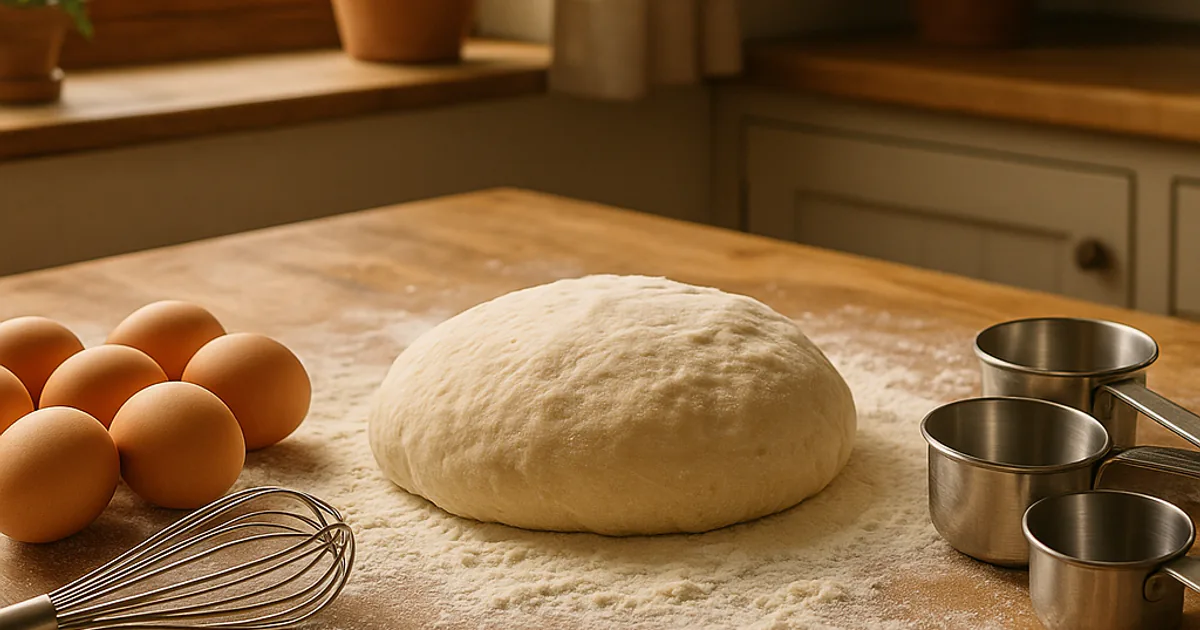 Cooking & Baking for grades K–2
The kitchen as classroom — fractions, chemistry, world geography and budgeting through a cooking-centered homeschool curriculum, K-12. Opens the guide.
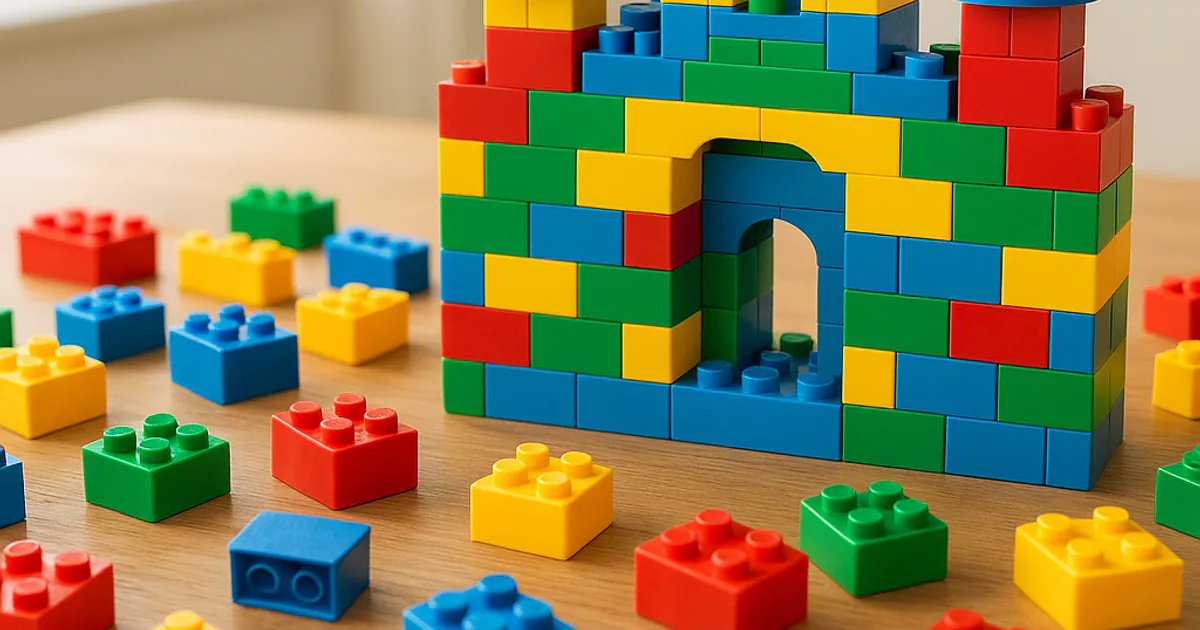 LEGO & Building for grades K–2
A homeschool curriculum built on LEGO — engineering, math, storytelling and design thinking through building, for K-12 learners. Opens the guide.
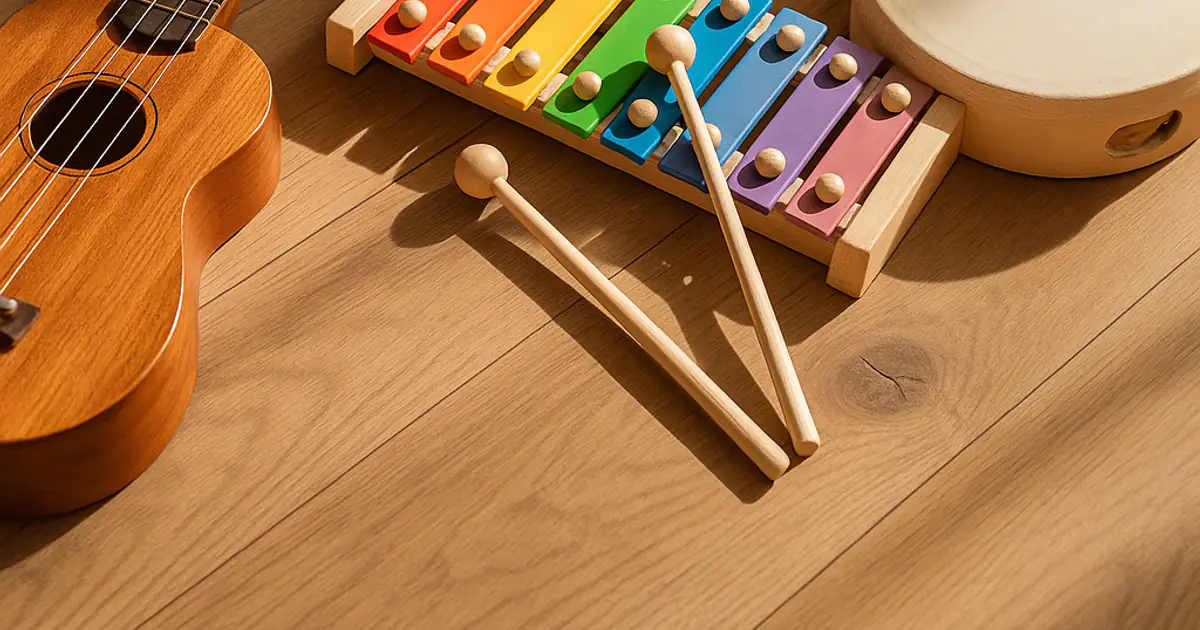 Music for grades K–2
A homeschool curriculum with music at its core — theory as math, sound as physics, history through its soundtrack, for K-12 learners. Opens the guide.
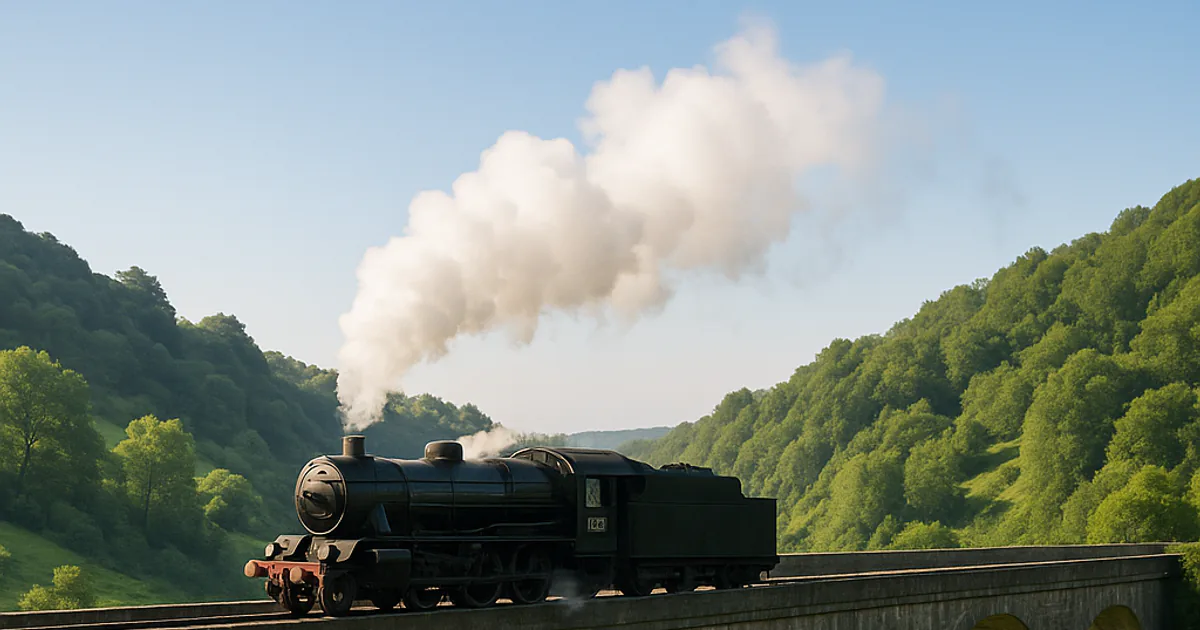 Trains for grades K–2
Turn a train obsession into a homeschool curriculum — engineering, industrial history, geography and math built around railroads, for K-12. Opens the grades K–2 section.
 Weather & Storms for grades K–2
A homeschool curriculum built around weather — meteorology, data collection, climate and forecasting across science, math and geography. Opens the guide.
 Mythology for grades K–2
Build a homeschool curriculum around mythology — Greek, Norse and world myths carrying literature, history, geography and art for K-12. Opens the guide.
 Gardening & Plants for grades K–2
A homeschool curriculum grown in the garden — botany, ecology, math and patience through growing food and plants, for K-12 learners. Opens the guide.
 Ancient Egypt for grades K–2
A homeschool curriculum built around Ancient Egypt — archaeology, hieroglyphs, engineering and daily life along the Nile, for K-12. Opens the guide.
 Cars & Engines for grades K–2
Build a homeschool curriculum around cars — mechanics, physics, design history and the economics of manufacturing, for K-12 learners. Opens the guide.
 Chess & Strategy for grades K–2
A homeschool curriculum built around chess — strategy, mathematics, history and the discipline of thinking ahead, for K-12 learners. Opens the guide.
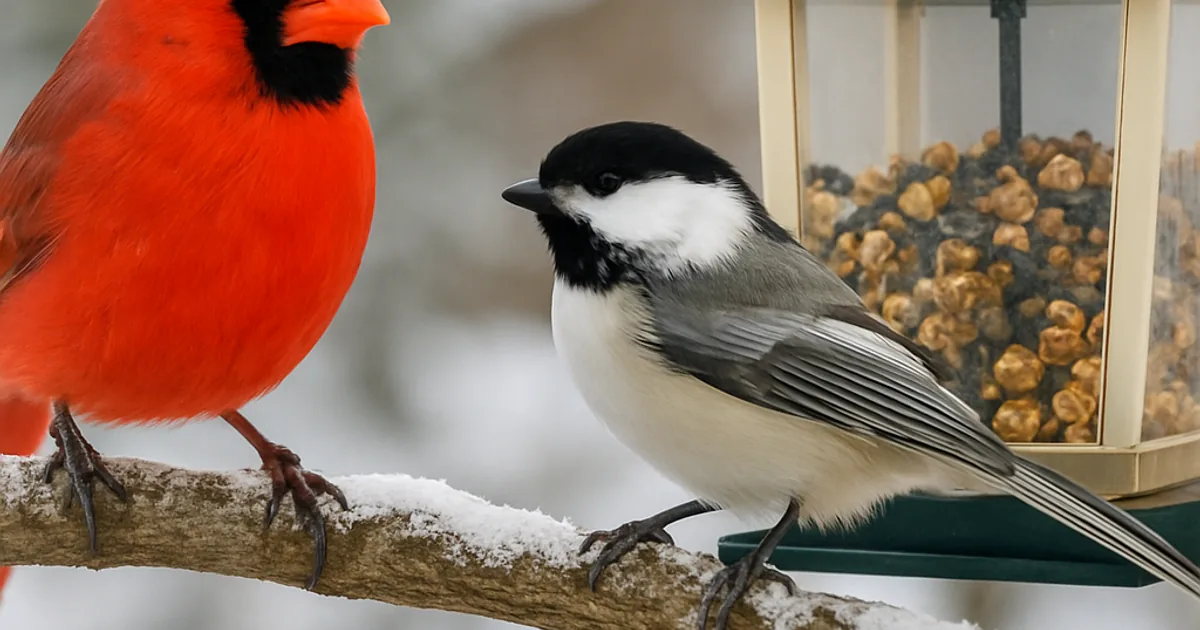 Birds & Birdwatching for grades K–2
A homeschool curriculum built around birds — identification, migration, ecology and citizen science you can do from the window, for K-12. Opens the guide.
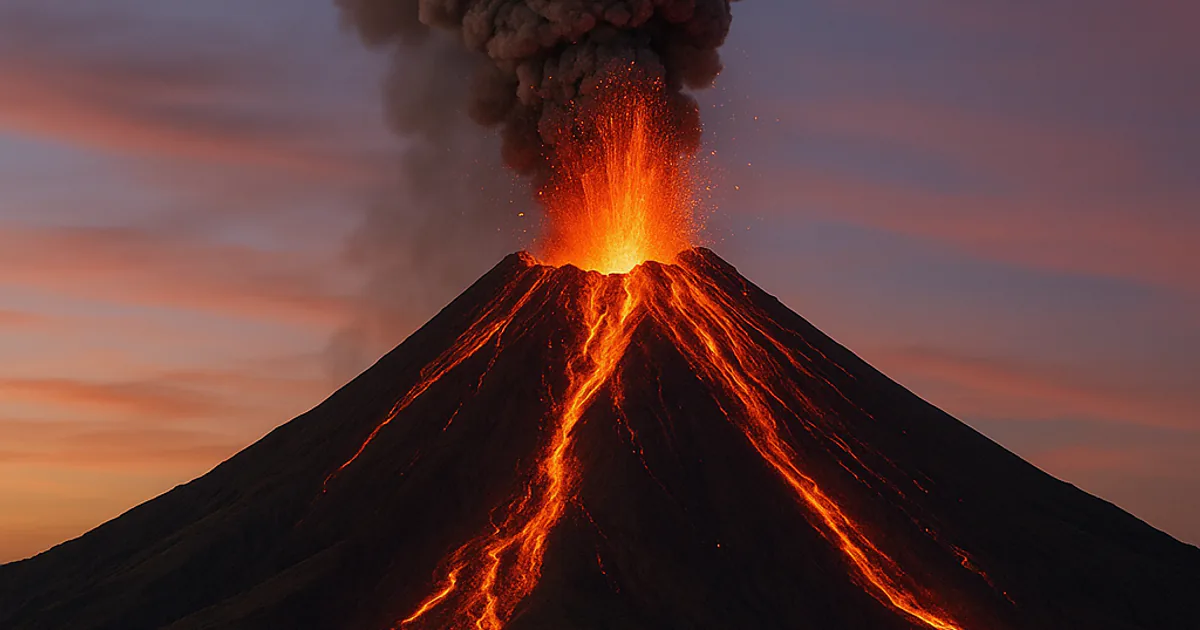 Volcanoes & Geology for grades K–2
A homeschool curriculum built around volcanoes and geology — plate tectonics, rocks, deep time and natural hazards, for K-12 learners. Opens the guide.
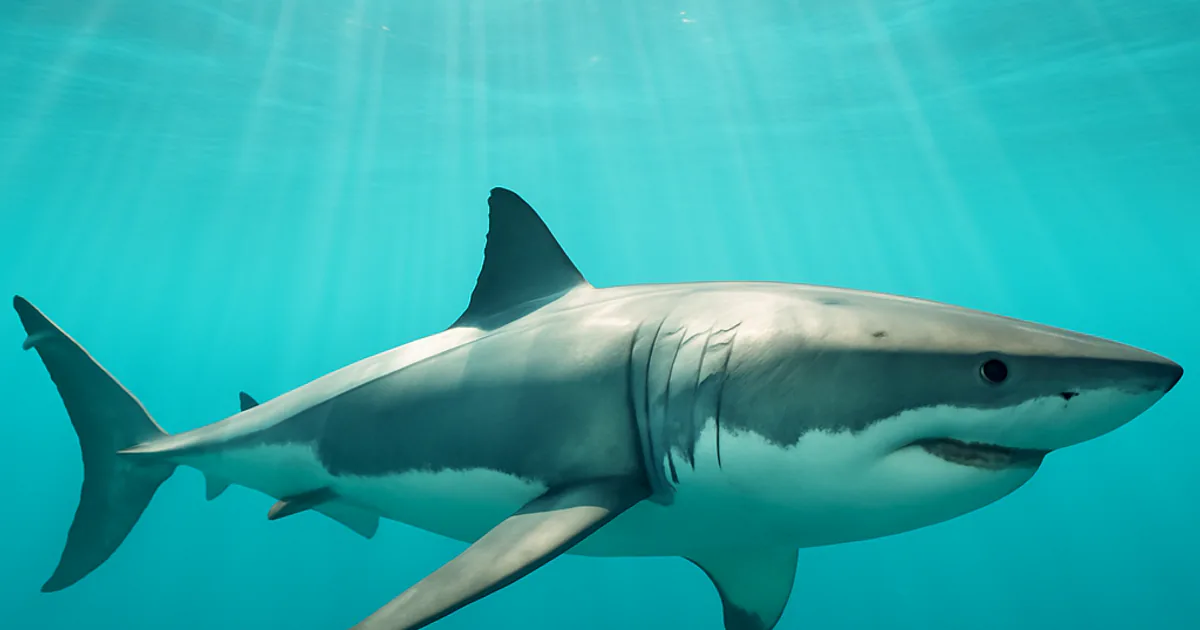 Sharks for grades K–2
Turn a shark obsession into a homeschool curriculum — marine biology, evolution, data literacy and conservation, for K-12 learners. Opens the guide.
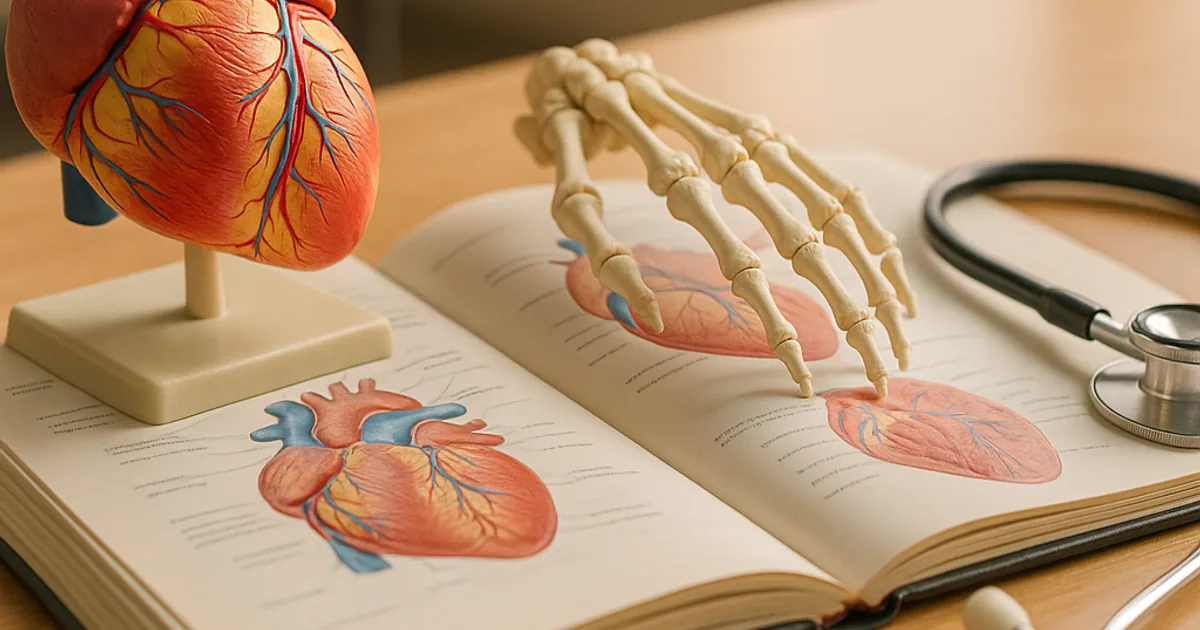 Human Body for grades K–2
A human body homeschool curriculum for K-12 — anatomy, body systems, nutrition and health taught through reading, math, science and art, with a six-week plan. Opens the grades K–2 section.
 Insects & Bugs for grades K–2
An insect homeschool curriculum for K-12 — life cycles, entomology, pollination and ecology taught through backyard fieldwork, reading, math and art, with a six-week plan. Opens the grades K–2 section.
 Ancient Greece for grades K–2
An ancient Greece homeschool curriculum for K-12 — Athens and Sparta, democracy, the Olympics, philosophy and myth taught through reading, geography, math and art, with a six-week plan. Opens the grades K–2 section.
 Ancient Rome for grades K–2
An ancient Rome homeschool curriculum for K-12 — the Republic and Empire, roads and aqueducts, Latin, daily life and the fall of Rome through reading, geography, math and art. Opens the grades K–2 section.
 American Revolution for grades K–2
An American Revolution homeschool curriculum for K-12 — causes, battles, the Declaration, Loyalists and Patriots, and the Constitution taught through primary sources, maps, math and art. Opens the grades K–2 section.
 Bees & Butterflies for grades K–2
A pollinator homeschool curriculum for K-12 — bee and butterfly life cycles, the monarch migration, hive society and a pollinator garden taught through science, math, reading and art, with a six-week plan. Opens the grades K–2 section.
 Coding & Computer Science for grades K–2
A coding homeschool curriculum for K-12 — from unplugged algorithms and block-based programs to real Python, using only free tools, with a six-week plan, CSTA standards and a project portfolio. Opens the grades K–2 section.
 Baking for grades K–2
A baking homeschool curriculum for K-12 — fractions, ratios and baker's percentages, the chemistry of leavening and gluten, and controlled experiments you can eat, with a six-week plan. Opens the grades K–2 section.
 Castles & Knights for grades K–2
A castles and knights homeschool curriculum for K-12 — medieval Europe through castle engineering, feudal society, chivalry, siege science and primary sources, with a six-week plan and C3 standards. Opens the grades K–2 section.
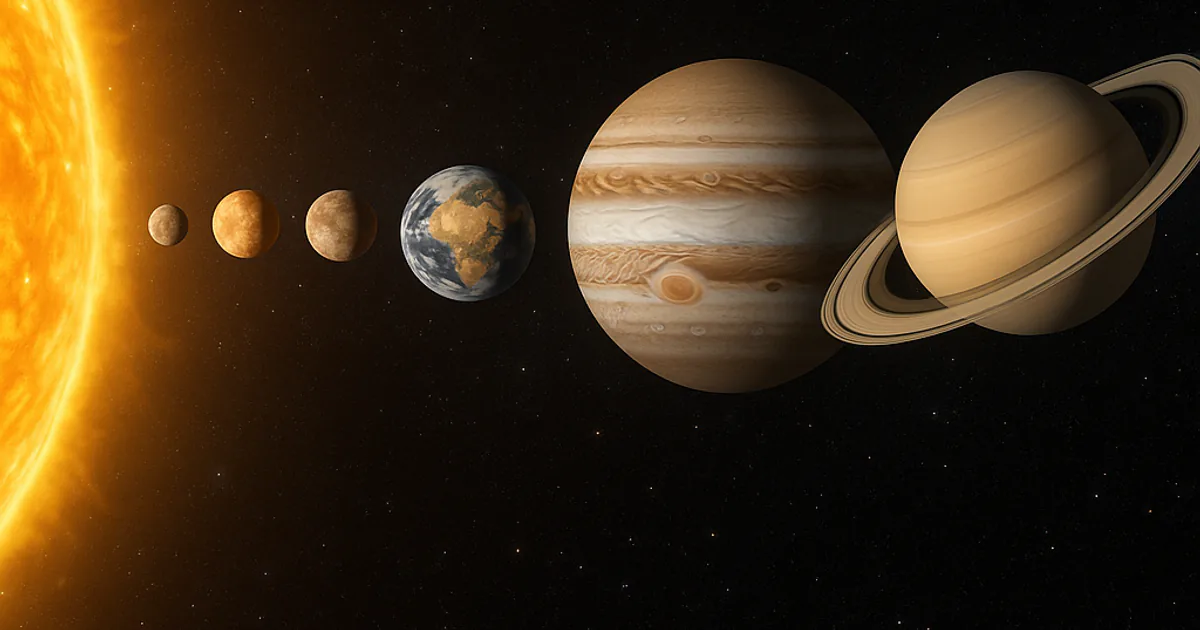 Solar System for grades K–2
A solar system homeschool curriculum for K-12 — the eight planets, their moons, dwarf planets, asteroids and comets, and the robotic missions that explored them, with scale models, real data and a six-week plan. Opens the grades K–2 section.
Other grade bands
Elementary (grades 3–5)
Independent reading takes hold, math turns to fractions and data, and unit studies produce real research. About 2½–4 hours of formal work a day.
Middle School (grades 6–8)
Pre-algebra, argument writing, real data and the first primary sources. Students manage more of the day themselves. About 4–5 hours of formal work a day.
High School (grades 9–12)
Credits, a transcript, lab reports and primary sources. Units run at the level of a college introductory course. About 5–6 hours of formal work a day.
Build the year around what they love
Generate a complete, standards-aligned curriculum for grades K–2 around any interest in minutes — free to try, no account required.