Middle school homeschool curriculum: a complete guide to grades 6–8
Middle school is where homeschooling pays off most visibly and where it is most often abandoned. Eleven- to fourteen-year-olds can think abstractly, argue from evidence, follow a long procedure and read a real source, and they are also restless, opinionated and easily bored by work with no point. An interest-led unit at this band gives the work a point: the same topic the student chose becomes a cladogram to defend, a Python program to debug, a Roman aqueduct to calculate, a chronicle to interrogate.
This page lays out what a week looks like in grades six to eight, what the standards ask for and how a unit study meets them, a 36-week year built from six of the interest guides, and the records that will matter when high school planning begins. It also says plainly which subjects need a sequenced program at this age, because two of them do.
What a typical week looks like in grades 6–8
Formal work in middle school runs about four to five hours a day, five days a week, and the shape of the day changes: the student now runs much of it from a written plan you agree on together at the start of the week, and your role shifts from sitting alongside to checking work, discussing reading and teaching the hard parts. A weekly planning meeting of fifteen minutes, with the plan on paper, is the single most useful habit at this band.
Two subjects need a sequenced program with a clear scope: math and, if you are starting one, a foreign language. Math takes forty-five to sixty minutes daily. Sixth grade is ratios, rates, negative numbers and expressions; seventh is proportional reasoning, probability and geometry; eighth is usually pre-algebra or Algebra 1 (functions, linear equations, the Pythagorean theorem). A student who reaches Algebra 1 in eighth grade is on the standard college-preparatory track, and one who reaches it in ninth is still fine.
Reading is now almost entirely independent — forty-five minutes to an hour a day across literature, history and science, much of it assigned from the unit — but a family read-aloud is still worth keeping for the books a student would not pick alone. Writing becomes the central skill of the band: argument from evidence, explanation with structure, and the first real research paper with citations. Thirty to forty-five minutes a day, and most of it about the unit, is the right amount. Grammar and vocabulary can be folded into revision rather than taught separately.
The interest unit runs sixty to ninety minutes a day, four days a week, and carries science, history, geography, the writing topics and any computer science. What changes from elementary is the standard of the output. A middle schooler does not just build a timeline; they calculate it and defend the scale. They do not summarize a source; they set two sources against each other and say which to believe and why. The deeper guides' grade 6–8 sections are written at exactly that level, and their six-week scope and sequence can be run week by week.
A daily rhythm for grades 6–8
| Block | Time | What happens |
|---|---|---|
| Math | 45–60 min | A sequenced program from ratios and expressions in sixth grade to pre-algebra or Algebra 1 in eighth. Daily, with the student checking their own work against a key. |
| Writing | 30–45 min | Argument and explanatory writing, and one research paper with citations per term. Most topics come from the unit. |
| Reading | 45–60 min | Independent: a novel, the history or science reading for the unit, and a short primary source most days. |
| Interest unit | 60–90 min, 4 days | Science labs with controlled variables, history from sources, programming, and the maps and data work. One substantial output per week. |
| Foreign language | 20–30 min | Daily if you are starting one; two years by the end of eighth grade is a common goal for students heading to a college-prep high school plan. |
| Art, music, PE or an elective | 30–45 min, rotating | Chosen by the student. A sport, an instrument, a maker project or a co-op class all count. |
How interest-led units map to the grades 6–8 standards
The middle school standards are where the frameworks begin to describe practices rather than facts, and a unit study meets practices well. In math, the Common Core for grades 6–8 asks students to solve real problems with ratios and rates (CCSS.MATH.CONTENT.6.RP.A.3), to summarize data sets with measures of center and spread (6.SP.B.5), to solve scale-drawing problems (7.G.A.1) and to apply the Pythagorean theorem (8.G.B.6). A scale drawing of a castle from a published plan, a data set of monarch counts, a Roman aqueduct's gradient — these are those standards with a reason attached.
In English, the reading standards for history and science (RH and RST) arrive at this band: identifying an author's point of view and purpose (CCSS.ELA-LITERACY.RH.6-8.6) and following a multistep procedure precisely (RST.6-8.3). Argument writing supported by evidence is the central writing standard (W.7.1 and W.8.1). A page arguing from the iridium layer and shocked quartz whether the Chicxulub impact ended the Cretaceous, or setting a Patriot broadside against a British officer's letter, is the assignment those standards describe.
Science under the Next Generation Science Standards for middle school asks for models and explanations: patterns in the fossil record (MS-LS4-1), how resource availability affects populations (MS-LS2-1), the body as interacting subsystems (MS-LS1-3), the Earth-Sun-Moon system and gravity (MS-ESS1-1) and energy as a function of mass and speed (MS-PS3-1). The dinosaurs, animals, human body, solar system and trains guides each carry several of those codes and say which activity meets which. Social studies follows the C3 framework's grade 6–8 indicators — analyzing connections among events and developments in broader contexts (D2.His.1.6-8) and examining how political systems have changed (D2.Civ.3.6-8) — which the ancient Rome, castles and knights and American Revolution units do from sources. Computer science, if you include it, maps to the CSTA level 2 (grades 6–8) standards in algorithms and programming, which the coding and Minecraft guides address as the student moves from blocks to Python.
The practical approach at this band is the same as in elementary but with the student doing the mapping: at the end of each unit, have them list the outputs against the guide's standards list. It takes ten minutes, it is a real reflection exercise, and it produces the documentation.
A suggested 36-week year for grades 6–8
A 36-week year at this band is six units of six weeks, each run from the guide's grade 6–8 section and, where the guide has one, its scope and sequence. The order below alternates earth and life science with history, puts the programming unit in the middle of the year when the daily habit is solid, and ends with an ecology unit that uses published data in spring. Three of the six produce a formal piece of writing (an argument, a source analysis, an explanation) and three produce lab or program work, so the year's portfolio shows both.
Any six guides will do; several families run five and leave the sixth slot for a topic the student proposes and plans themselves, which is good preparation for high school.
| Unit | Weeks | Guide | The six-week thread | Portfolio |
|---|---|---|---|---|
| 1 | 1–6 | Dinosaurs | The tools of the field: a cladogram built by hand from shared traits, deep time modeled at a sheet per million years, and a one-page argument weighing the Chicxulub evidence against Deccan volcanism. | The cladogram with its defense, the timeline calculations, the extinction argument. |
| 2 | 7–12 | Ancient Rome | Rome's central drama — how a republic with careful checks became a monarchy in all but name — with the engineering as real applied math and short extracts of Caesar, Cicero and Suetonius as sources. | Source analyses, the aqueduct or road calculations, an essay on why the Republic ended. |
| 3 | 13–18 | Coding & Computer Science | From blocks to Python: variables, loops, conditionals and functions written rather than dragged, so precision and reading error messages become the skill. | Program files with comments, a bug log, and one finished project with a write-up. |
| 4 | 19–24 | Human Body | The body as interacting subsystems keeping conditions steady — the NGSS framing — with controlled measurement labs and a reading of real evidence on sleep, exercise and nutrition. | Lab reports with variables named, a graph of the class of measurements, an evidence summary. |
| 5 | 25–30 | Castles & Knights | The medieval world as a system with causes: land held for military service, what the Church owned, how the Black Death and the longbow broke the arrangement, and how to read a chronicle against the grain. | A cause-and-effect essay, a chronicle source analysis, a scale drawing from a published castle plan. |
| 6 | 31–36 | Bees & Butterflies | From watching to explaining: why a flower's shape and color match its pollinator, how the waggle dance encodes direction and distance, and what the published monarch and colony-loss numbers actually show. | Graphs from the published data, a flower-pollinator matching study, an explanatory essay. |
Record-keeping and the portfolio
Middle school records serve two purposes: the same portfolio review as before, and the beginning of the high school planning file. Keep one folder per unit with the weekly outputs the scope and sequence names — lab reports, source analyses, program files, essays with drafts — and have the student write the one-page standards mapping at the end. Keep the math program's tests, the research papers with their citation lists, and a reading list by term with a sentence on each book.
Start a separate document now that lists, by year, what was studied and at what level — especially math and any language, since those determine where ninth grade starts. If the student completes Algebra 1 or a first year of a language in eighth grade, note it with the program used and the final test; some high school transcripts carry those courses. A dated writing sample from each term, kept in one folder across the three years, is the clearest record of growth you will have.
State requirements vary
Homeschool requirements differ by state, province and country, and they change. Some jurisdictions require only a notice; others specify subjects, instructional days, periodic standardized testing or an annual review, and a few ask for a curriculum description each year. Nothing on this page is legal advice. Read your own jurisdiction's current rules from the primary source, check them again before ninth grade because some requirements change at high school age, and keep the records above regardless.
Common questions about homeschooling grades 6–8
How many hours a day should a middle schooler homeschool?
About four to five hours of formal work, five days a week, with the student managing much of it from a written weekly plan. Math, writing and reading take roughly two and a half hours; the unit takes an hour to ninety minutes; a language and an elective fill the rest. That is close to the actual instructional time in a school day and far more of it is direct.
Does my middle schooler need a formal science curriculum?
Not a textbook necessarily, but they do need the practices: controlled experiments, models, data analysis and written explanations, across life, earth and physical science over the three years. The deeper guides are built on the middle school NGSS codes and their grade 6–8 sections are written as labs and arguments. Rotating science-led units — a life science, an earth science, a physical science topic each year — covers the span.
When should my child start Algebra 1?
When they are solid on ratios, proportional reasoning, negative numbers and simple equations — for many students that is eighth grade, for others ninth, and neither is behind. Rushing a student into algebra before proportional reasoning is secure is the most common cause of a math collapse in tenth grade. A placement test from any major program will tell you where they actually are.
Can interest-led learning still work when my child has to write real papers?
It works better, because the student has something to say. A research paper on whether birds are dinosaurs, or why the Roman Republic failed, or what the data on colony collapse actually shows, gets written; a paper on an assigned topic the student does not care about gets endured. The skills — thesis, evidence, structure, citations — are identical. Assign the form; let the student pick the question.
How do I keep records that will help with high school?
Keep a folder per unit with the weekly outputs and a one-page standards mapping the student writes, plus the math tests, the research papers and a reading list. Separately, start a one-page document listing what was studied each year and at what level, especially math and any language, because those decide where ninth grade begins. That page becomes the first entry in the high school planning file.
The grades 6–8 section of every interest guide
All 32 guides, each opening at its grades 6–8 activities and reading suggestion where the guide has a dedicated section.
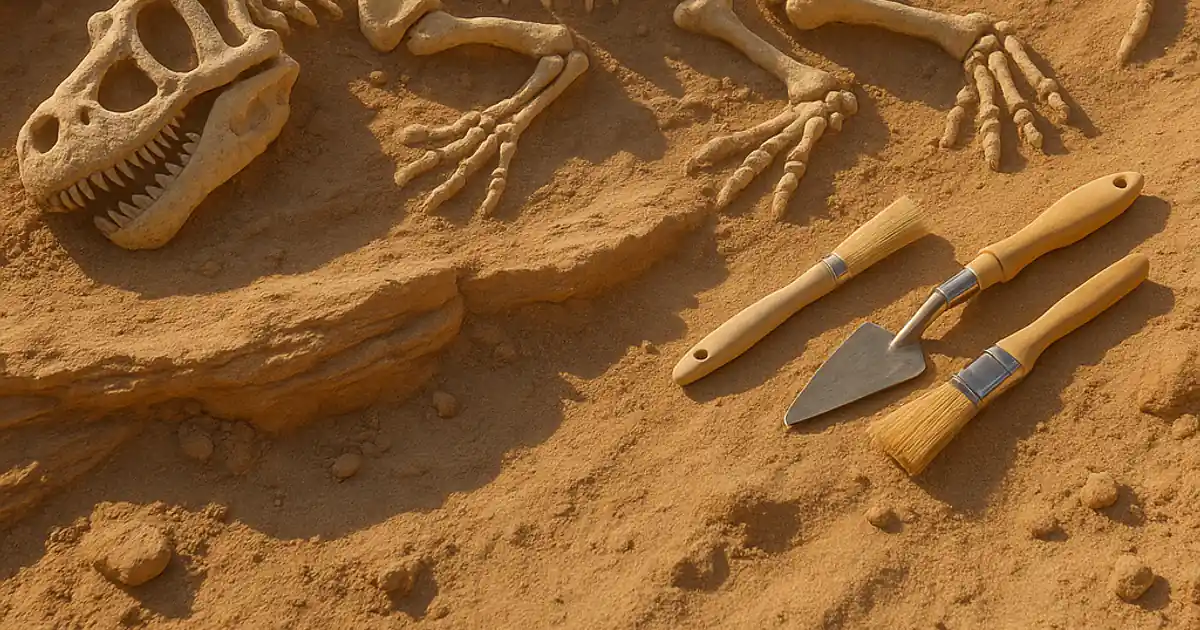 Dinosaurs for grades 6–8
Turn a dinosaur obsession into a full homeschool curriculum — reading, math, science, history and art built around paleontology, for K-12. Opens the grades 6–8 section.
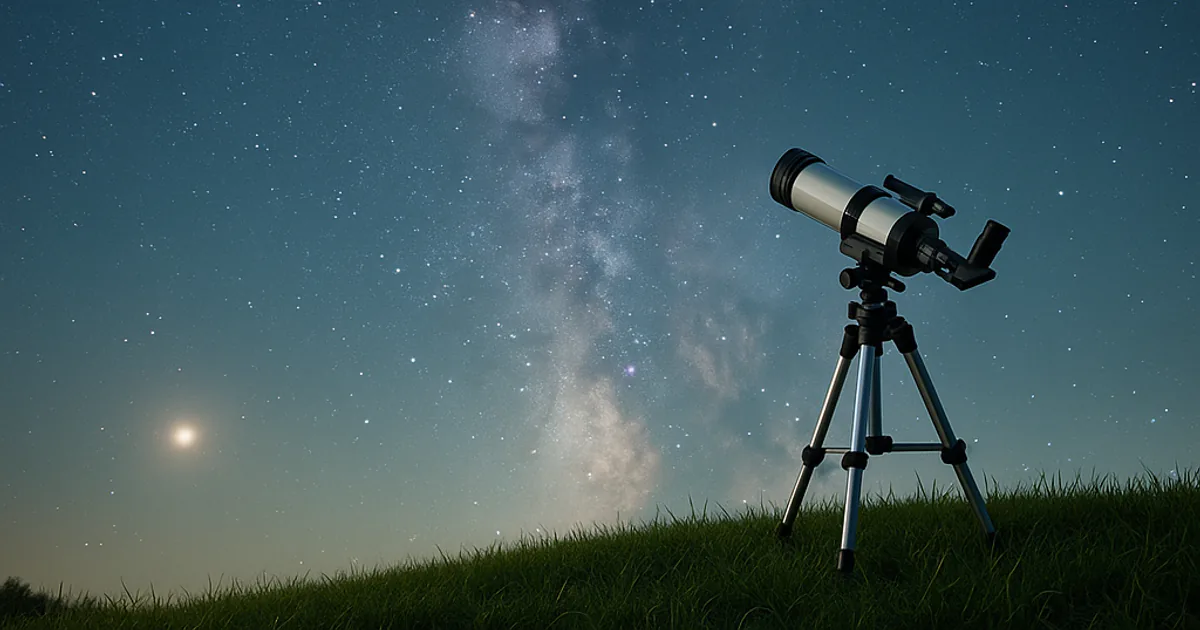 Space & Astronomy for grades 6–8
Build a K-12 homeschool curriculum around space — astronomy, rocketry, and the history of exploration woven through reading, math and science. Opens the guide.
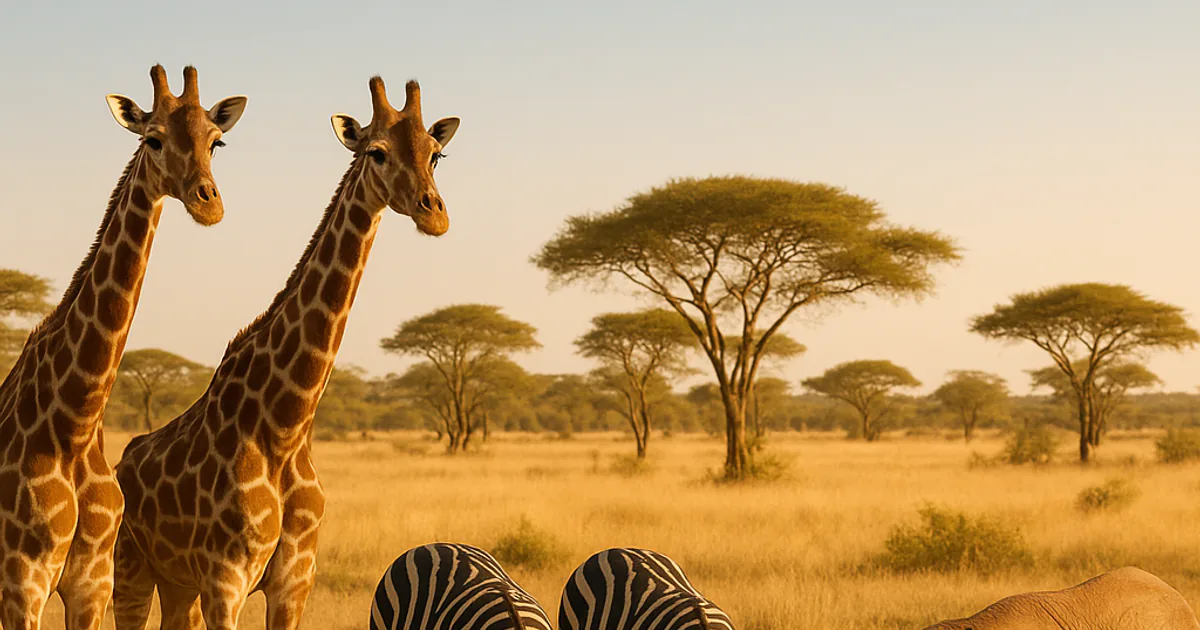 Animals & Wildlife for grades 6–8
A homeschool curriculum built around animals — zoology, habitats, and conservation woven through reading, math, science and geography for K-12. Opens the grades 6–8 section.
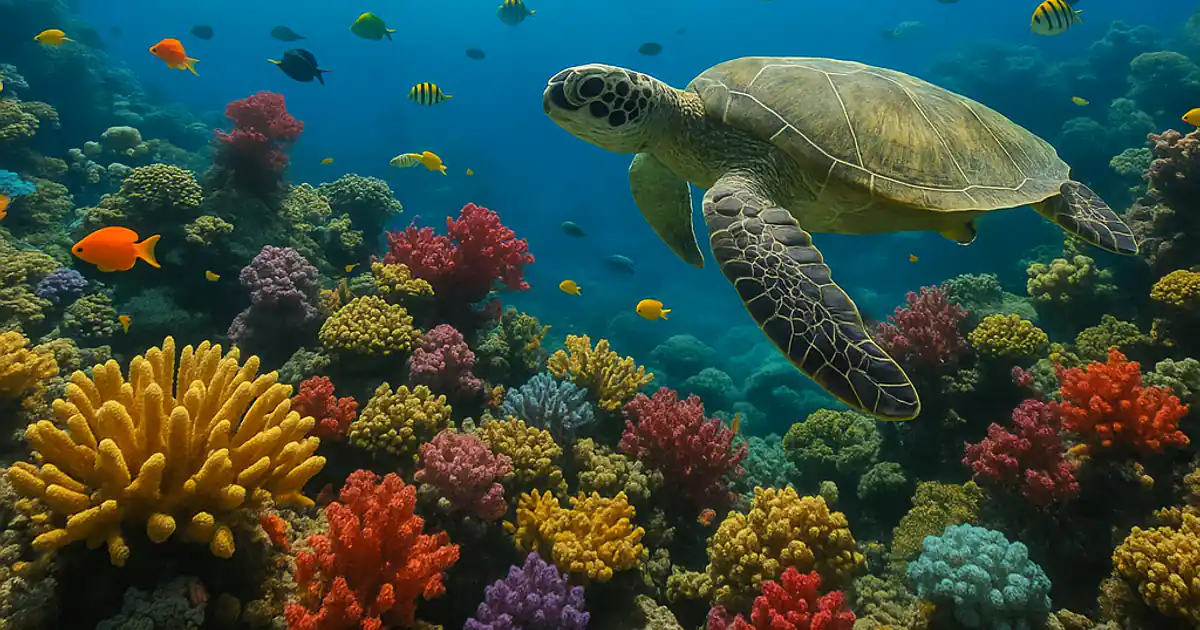 Ocean & Marine Life for grades 6–8
Build a homeschool curriculum around the ocean — marine biology, oceanography and exploration across reading, math, science and geography. Opens the grades 6–8 section.
 Minecraft for grades 6–8
Use Minecraft as a genuine homeschool teaching tool — math, engineering, history builds, creative writing and even economics, for K-12. Opens the grades 6–8 section.
 Art & Drawing for grades 6–8
A homeschool curriculum with art at the center — technique, art history, and the math and science hiding inside drawing, for K-12 learners. Opens the guide.
 Soccer for grades 6–8
Turn soccer obsession into homeschool fuel — statistics, physics, geography and writing built around the world's game, for K-12. Opens the guide.
 Horses for grades 6–8
A homeschool curriculum built around horses — equine science, history, and the reading, math and biology inside the barn, for K-12. Opens the guide.
 Robots & Coding for grades 6–8
Build a homeschool curriculum around robots and coding — programming, engineering design, math and the ethics of automation, for K-12. Opens the guide.
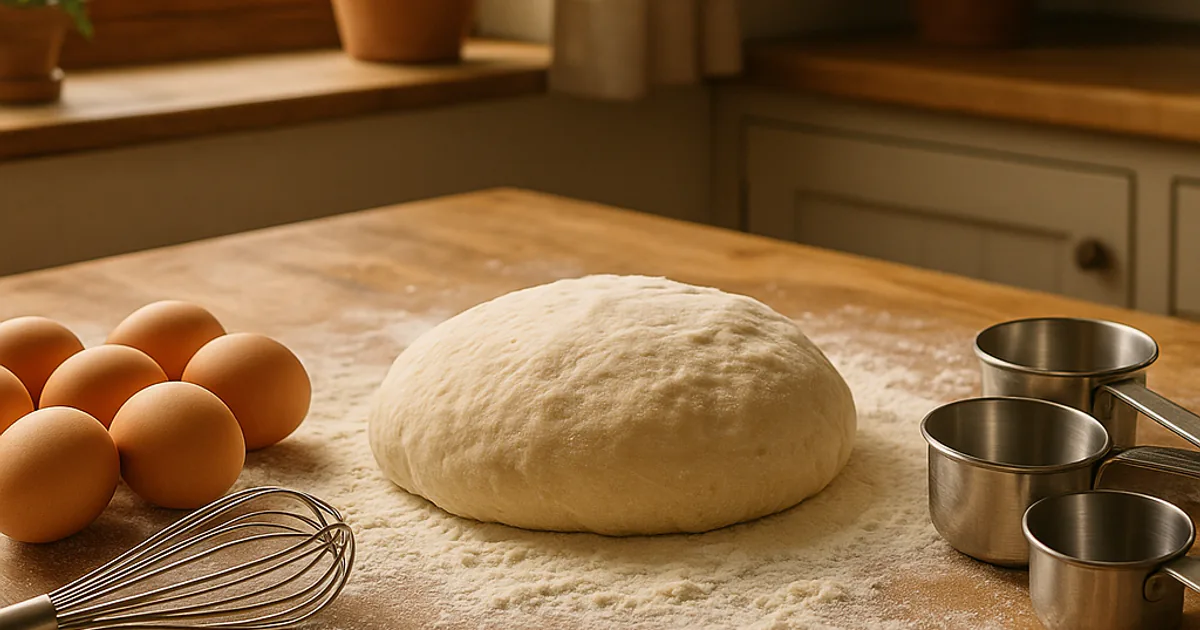 Cooking & Baking for grades 6–8
The kitchen as classroom — fractions, chemistry, world geography and budgeting through a cooking-centered homeschool curriculum, K-12. Opens the guide.
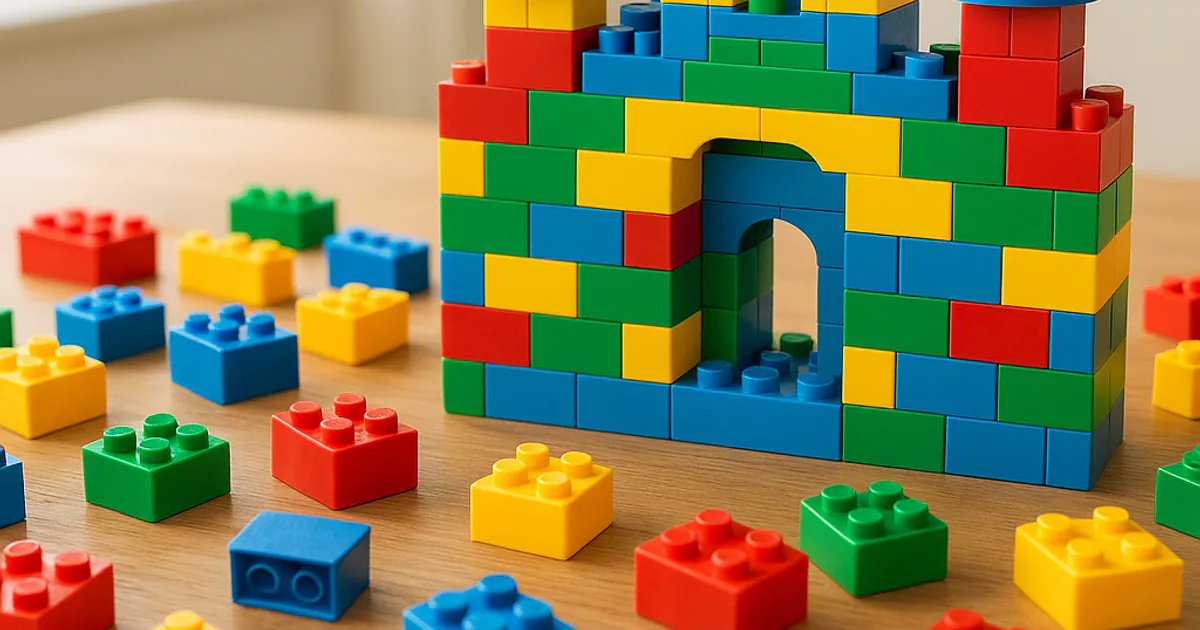 LEGO & Building for grades 6–8
A homeschool curriculum built on LEGO — engineering, math, storytelling and design thinking through building, for K-12 learners. Opens the guide.
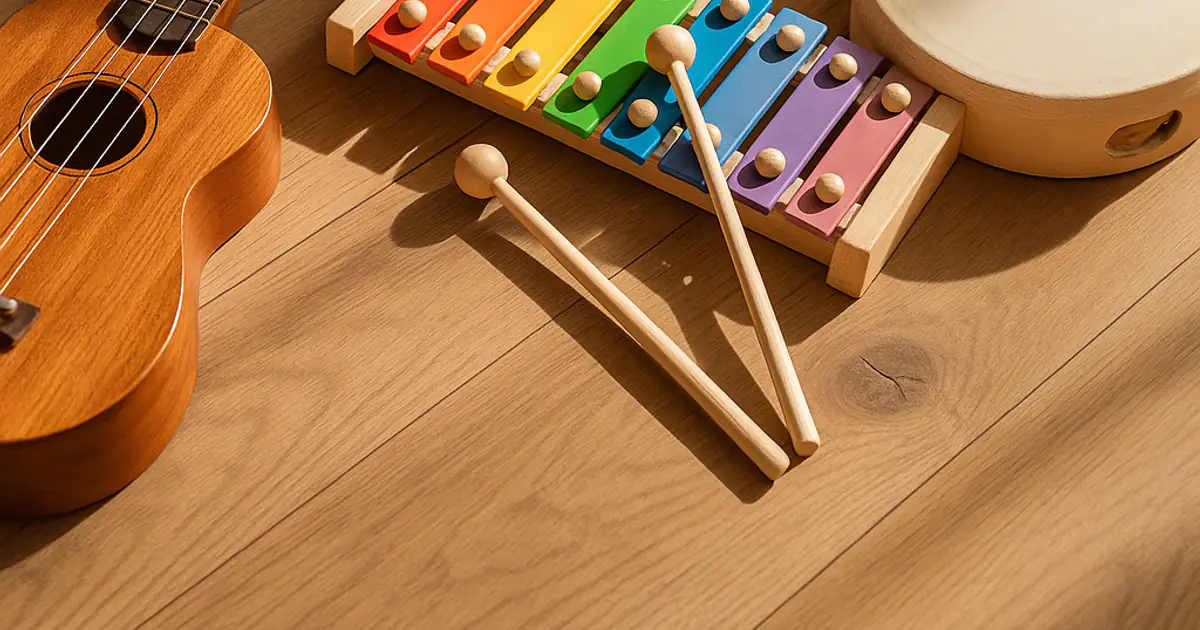 Music for grades 6–8
A homeschool curriculum with music at its core — theory as math, sound as physics, history through its soundtrack, for K-12 learners. Opens the guide.
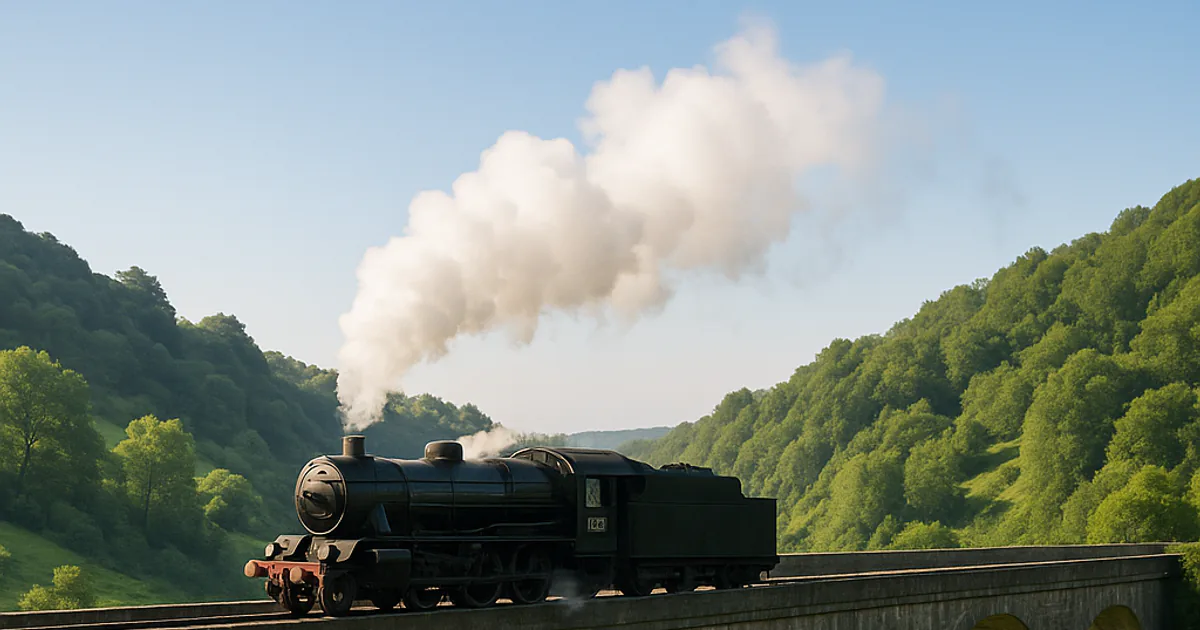 Trains for grades 6–8
Turn a train obsession into a homeschool curriculum — engineering, industrial history, geography and math built around railroads, for K-12. Opens the grades 6–8 section.
 Weather & Storms for grades 6–8
A homeschool curriculum built around weather — meteorology, data collection, climate and forecasting across science, math and geography. Opens the guide.
 Mythology for grades 6–8
Build a homeschool curriculum around mythology — Greek, Norse and world myths carrying literature, history, geography and art for K-12. Opens the guide.
 Gardening & Plants for grades 6–8
A homeschool curriculum grown in the garden — botany, ecology, math and patience through growing food and plants, for K-12 learners. Opens the guide.
 Ancient Egypt for grades 6–8
A homeschool curriculum built around Ancient Egypt — archaeology, hieroglyphs, engineering and daily life along the Nile, for K-12. Opens the guide.
 Cars & Engines for grades 6–8
Build a homeschool curriculum around cars — mechanics, physics, design history and the economics of manufacturing, for K-12 learners. Opens the guide.
 Chess & Strategy for grades 6–8
A homeschool curriculum built around chess — strategy, mathematics, history and the discipline of thinking ahead, for K-12 learners. Opens the guide.
 Birds & Birdwatching for grades 6–8
A homeschool curriculum built around birds — identification, migration, ecology and citizen science you can do from the window, for K-12. Opens the guide.
 Volcanoes & Geology for grades 6–8
A homeschool curriculum built around volcanoes and geology — plate tectonics, rocks, deep time and natural hazards, for K-12 learners. Opens the guide.
 Sharks for grades 6–8
Turn a shark obsession into a homeschool curriculum — marine biology, evolution, data literacy and conservation, for K-12 learners. Opens the guide.
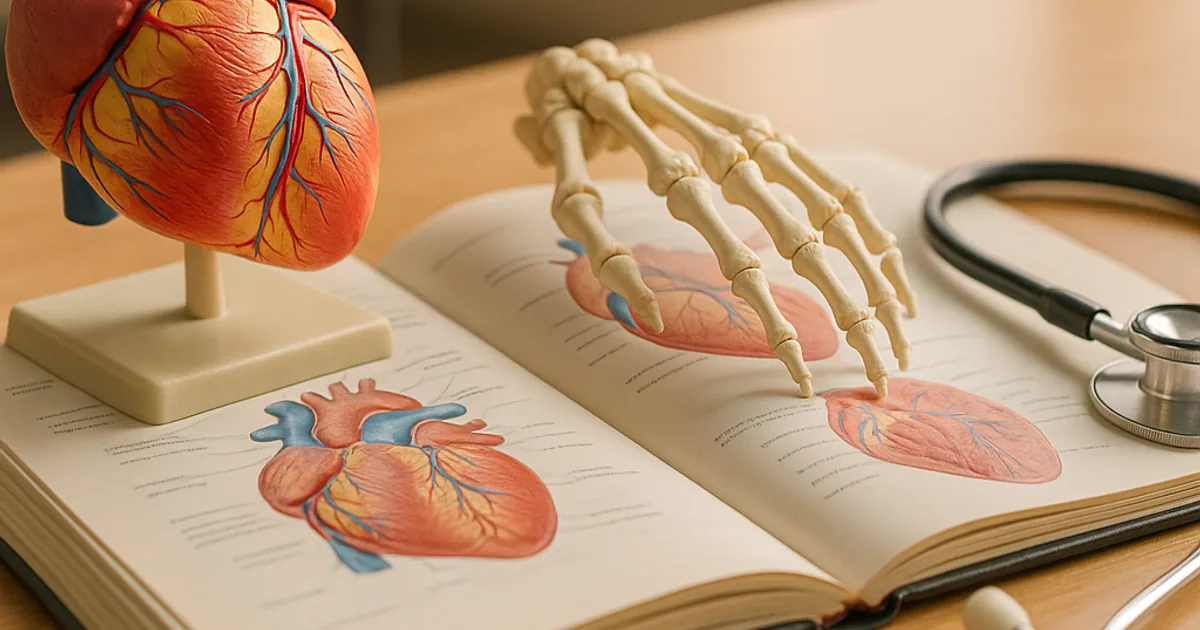 Human Body for grades 6–8
A human body homeschool curriculum for K-12 — anatomy, body systems, nutrition and health taught through reading, math, science and art, with a six-week plan. Opens the grades 6–8 section.
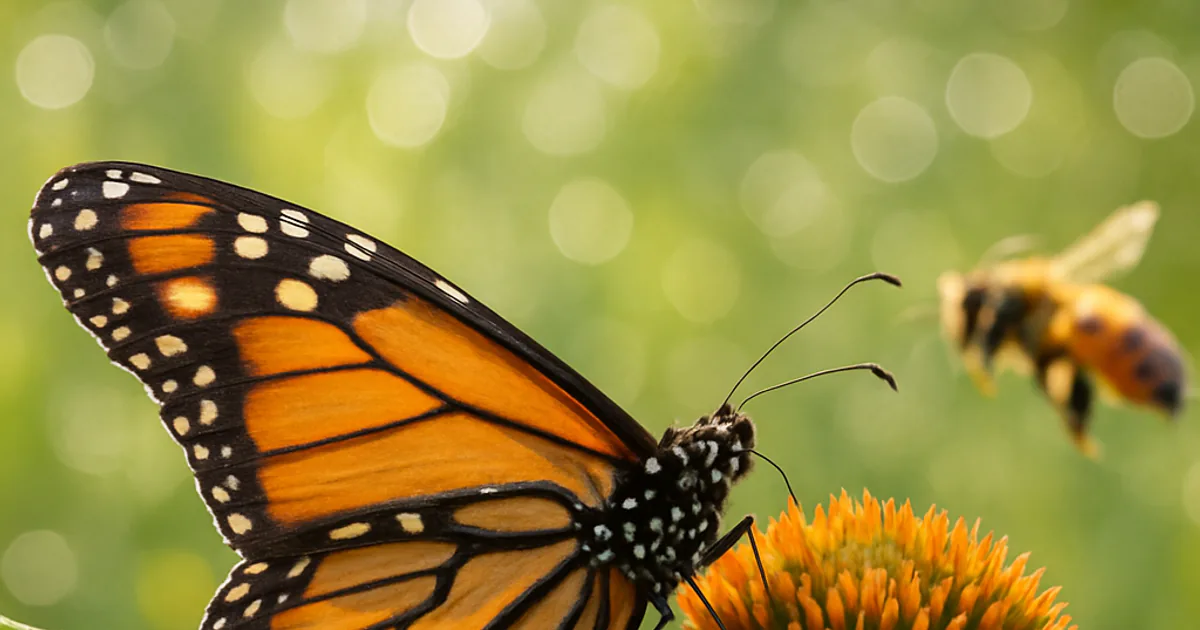 Insects & Bugs for grades 6–8
An insect homeschool curriculum for K-12 — life cycles, entomology, pollination and ecology taught through backyard fieldwork, reading, math and art, with a six-week plan. Opens the grades 6–8 section.
 Ancient Greece for grades 6–8
An ancient Greece homeschool curriculum for K-12 — Athens and Sparta, democracy, the Olympics, philosophy and myth taught through reading, geography, math and art, with a six-week plan. Opens the grades 6–8 section.
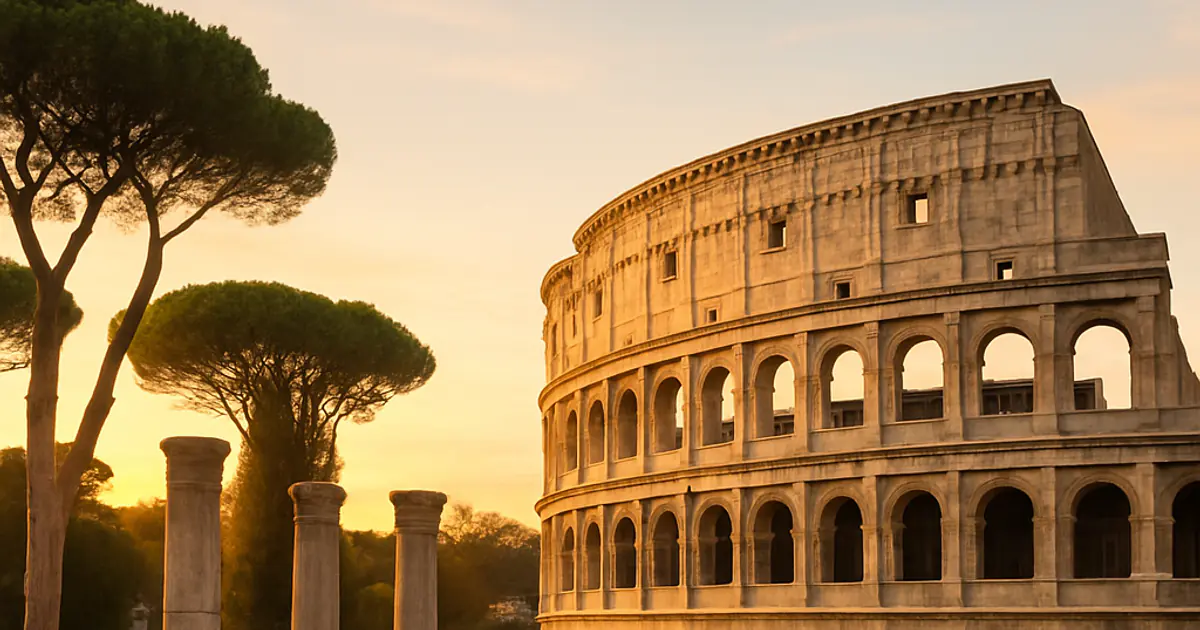 Ancient Rome for grades 6–8
An ancient Rome homeschool curriculum for K-12 — the Republic and Empire, roads and aqueducts, Latin, daily life and the fall of Rome through reading, geography, math and art. Opens the grades 6–8 section.
 American Revolution for grades 6–8
An American Revolution homeschool curriculum for K-12 — causes, battles, the Declaration, Loyalists and Patriots, and the Constitution taught through primary sources, maps, math and art. Opens the grades 6–8 section.
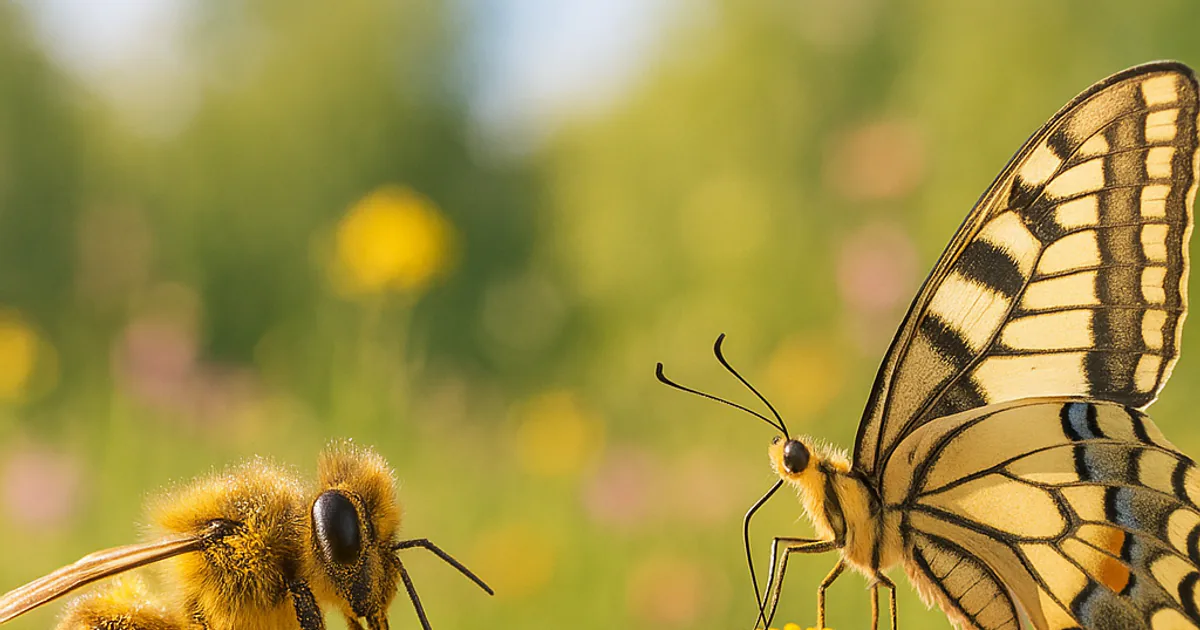 Bees & Butterflies for grades 6–8
A pollinator homeschool curriculum for K-12 — bee and butterfly life cycles, the monarch migration, hive society and a pollinator garden taught through science, math, reading and art, with a six-week plan. Opens the grades 6–8 section.
 Coding & Computer Science for grades 6–8
A coding homeschool curriculum for K-12 — from unplugged algorithms and block-based programs to real Python, using only free tools, with a six-week plan, CSTA standards and a project portfolio. Opens the grades 6–8 section.
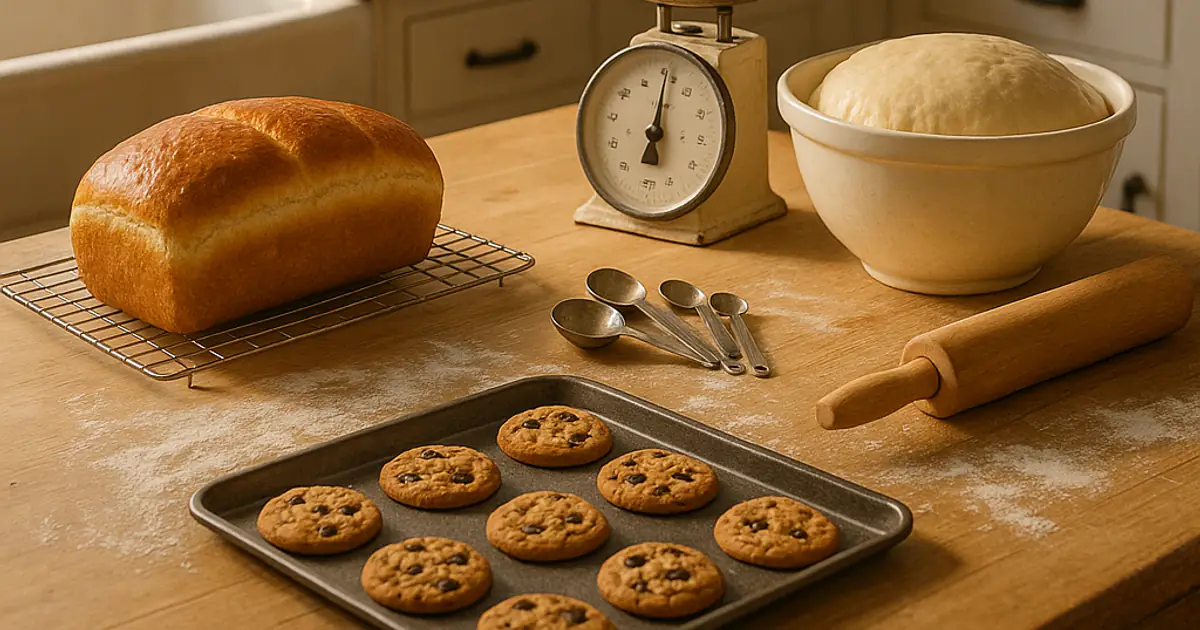 Baking for grades 6–8
A baking homeschool curriculum for K-12 — fractions, ratios and baker's percentages, the chemistry of leavening and gluten, and controlled experiments you can eat, with a six-week plan. Opens the grades 6–8 section.
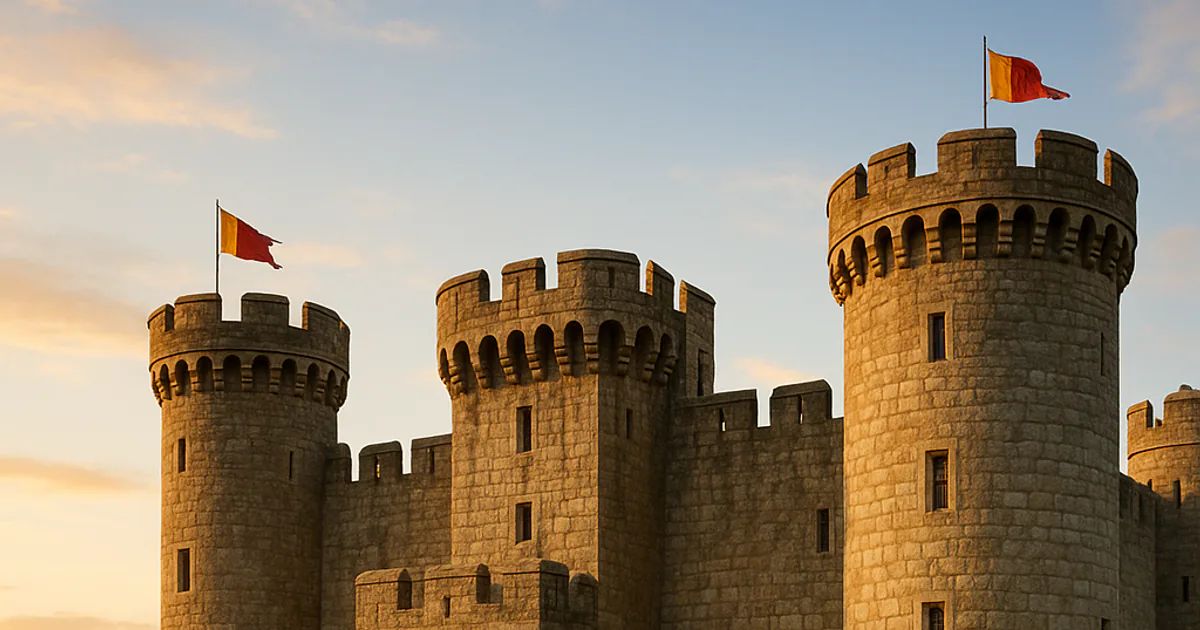 Castles & Knights for grades 6–8
A castles and knights homeschool curriculum for K-12 — medieval Europe through castle engineering, feudal society, chivalry, siege science and primary sources, with a six-week plan and C3 standards. Opens the grades 6–8 section.
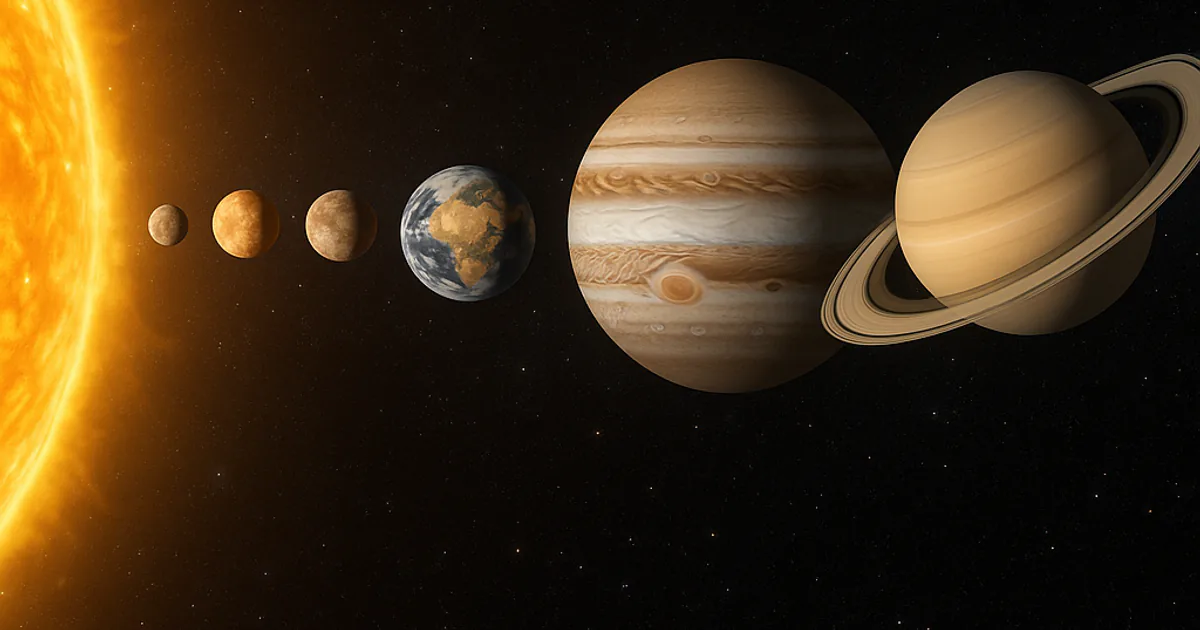 Solar System for grades 6–8
A solar system homeschool curriculum for K-12 — the eight planets, their moons, dwarf planets, asteroids and comets, and the robotic missions that explored them, with scale models, real data and a six-week plan. Opens the grades 6–8 section.
Other grade bands
Early Learners (grades K–2)
Short daily lessons, read-alouds, phonics and counting, and an interest-led unit that carries science and social studies. About 1–2 hours of formal work a day.
Elementary (grades 3–5)
Independent reading takes hold, math turns to fractions and data, and unit studies produce real research. About 2½–4 hours of formal work a day.
High School (grades 9–12)
Credits, a transcript, lab reports and primary sources. Units run at the level of a college introductory course. About 5–6 hours of formal work a day.
Build the year around what they love
Generate a complete, standards-aligned curriculum for grades 6–8 around any interest in minutes — free to try, no account required.