The four grade-band guides
Early Learners (grades K–2)
Short daily lessons, read-alouds, phonics and counting, and an interest-led unit that carries science and social studies. About 1–2 hours of formal work a day.
Elementary (grades 3–5)
Independent reading takes hold, math turns to fractions and data, and unit studies produce real research. About 2½–4 hours of formal work a day.
Middle School (grades 6–8)
Pre-algebra, argument writing, real data and the first primary sources. Students manage more of the day themselves. About 4–5 hours of formal work a day.
High School (grades 9–12)
Credits, a transcript, lab reports and primary sources. Units run at the level of a college introductory course. About 5–6 hours of formal work a day.
Common questions
Which grade band should I start with?
The one your child's age puts them in for most subjects, then adjust by subject. A seven-year-old who reads fluently can use the 3–5 reading suggestions while doing K–2 math; a twelve-year-old who is new to homeschooling may need a term of the 3–5 writing pace before the 6–8 expectations fit. The band pages describe what the work looks like at each level, so you can see where the child actually is.
How many hours a day does homeschooling take at each grade?
Roughly one to two hours of formal work in K–2, two and a half to four in grades 3–5, four to five in middle school and five to six in high school, four or five days a week. Those are direct-instruction hours, which is why they are lower than a school day; the rest of a school day is transitions, waiting and supervision. Each band page breaks the hours into a daily rhythm.
Do the interest guides cover a full curriculum, or just science and social studies?
The guides carry science, social studies, geography, art and most of the writing topics, and they give math and reading something real to work on. Two subjects still need their own sequenced program at every band — math and, from middle school, a foreign language — and reading needs daily practice at the child's own level. The band pages say exactly how those daily skill blocks and the interest unit fit together.
Can I use one guide for children in different grade bands?
Yes; that is what the four band sections in each guide are for. Everyone reads or listens to the same book and does the same hands-on activity, and the output changes by age: a labeled drawing, a data table with a paragraph, an argument from evidence, a lab report. The band pages each suggest a 36-week year, and a family with children in two bands can run the same six topics with a different output for each child.
Are the standards mentioned here the ones my state uses?
The guides cite the Next Generation Science Standards, the Common Core for English and math, the C3 framework for social studies and the CSTA standards for computer science, because those are the published frameworks most state standards are drawn from or closely resemble. Your state may use its own codes and its own homeschool rules; the band pages say where to check and none of this is legal advice.
Then choose the interest
Every guide below has a section for each of the four bands, and every band page links to those sections directly.
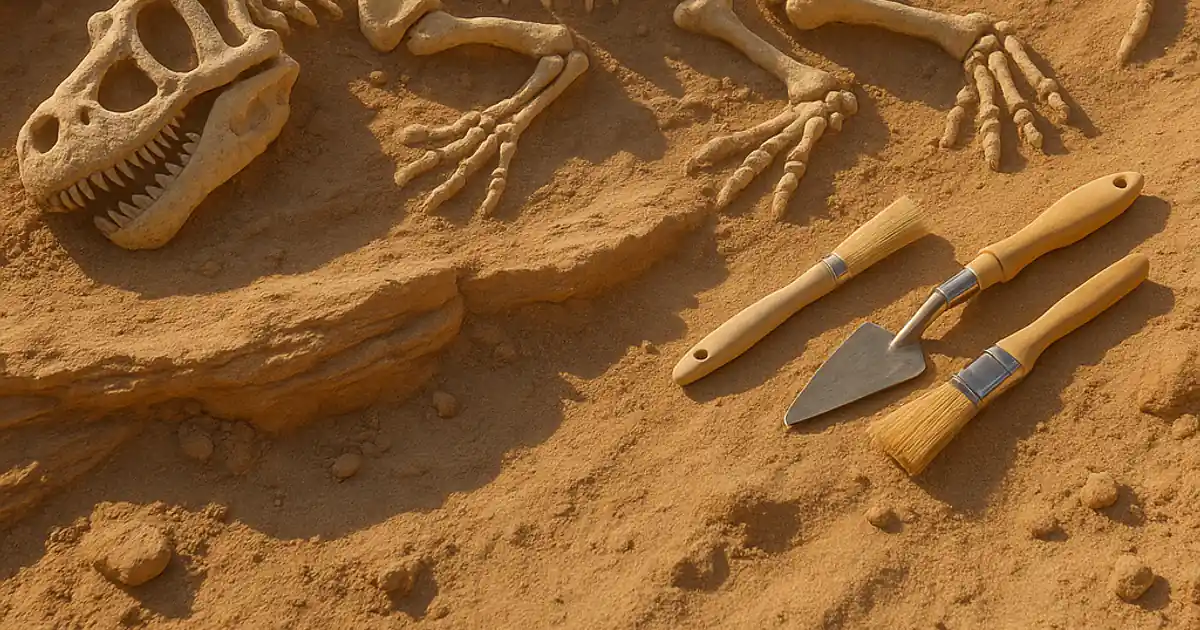 Dinosaurs homeschool curriculum
Turn a dinosaur obsession into a full homeschool curriculum — reading, math, science, history and art built around paleontology, for K-12.
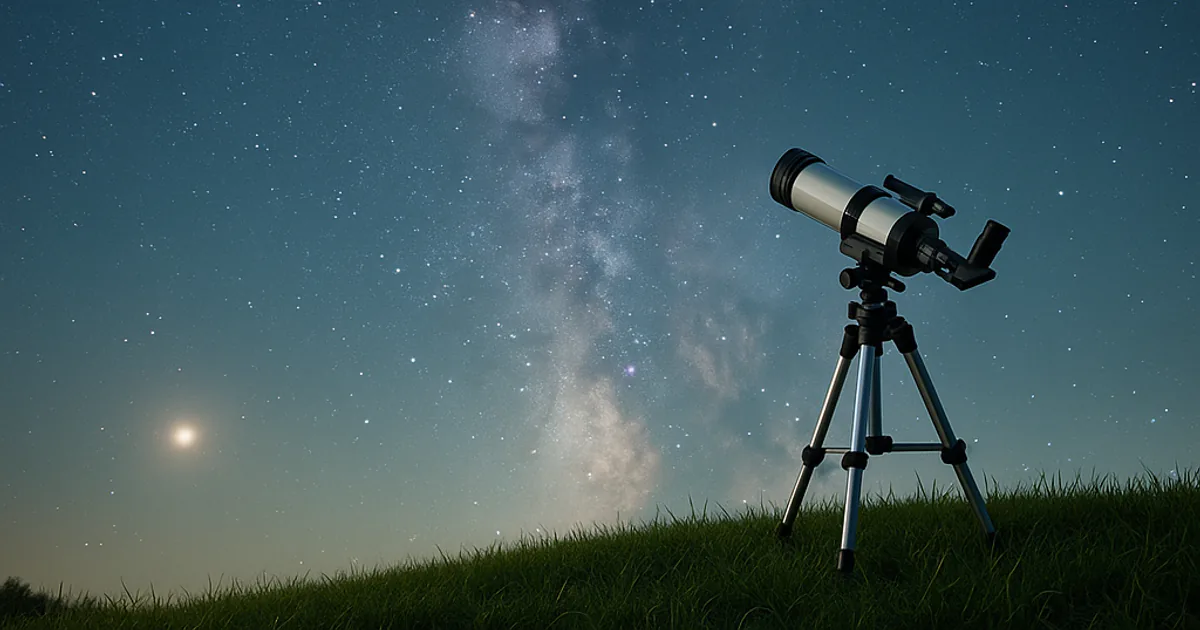 Space & Astronomy homeschool curriculum
Build a K-12 homeschool curriculum around space — astronomy, rocketry, and the history of exploration woven through reading, math and science.
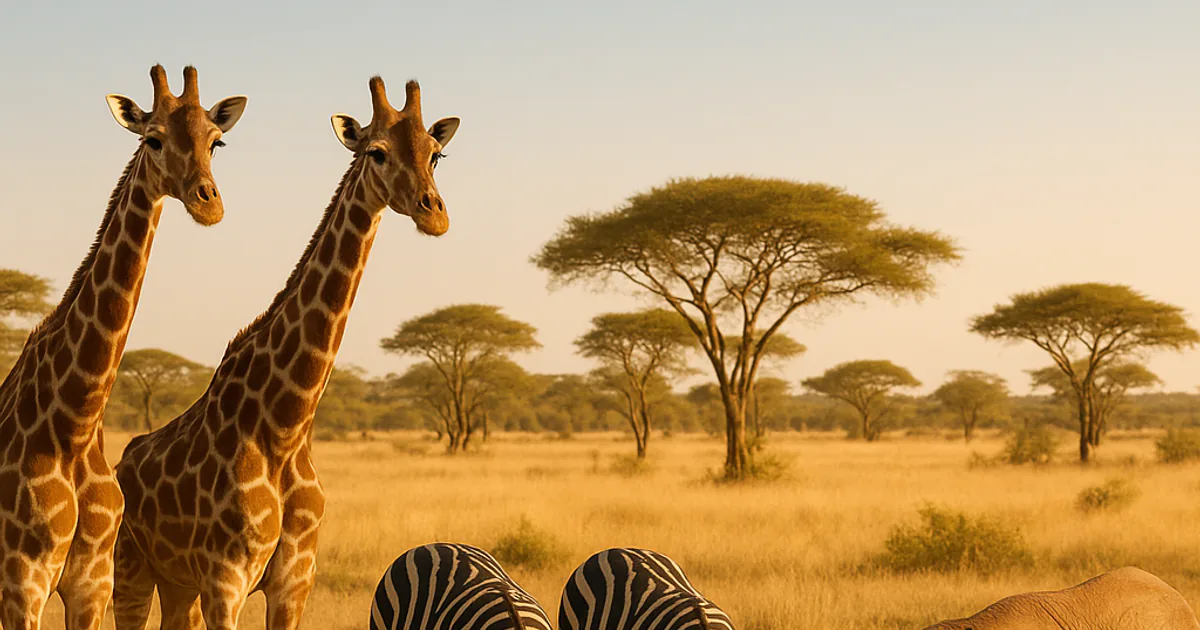 Animals & Wildlife homeschool curriculum
A homeschool curriculum built around animals — zoology, habitats, and conservation woven through reading, math, science and geography for K-12.
 Ocean & Marine Life homeschool curriculum
Build a homeschool curriculum around the ocean — marine biology, oceanography and exploration across reading, math, science and geography.
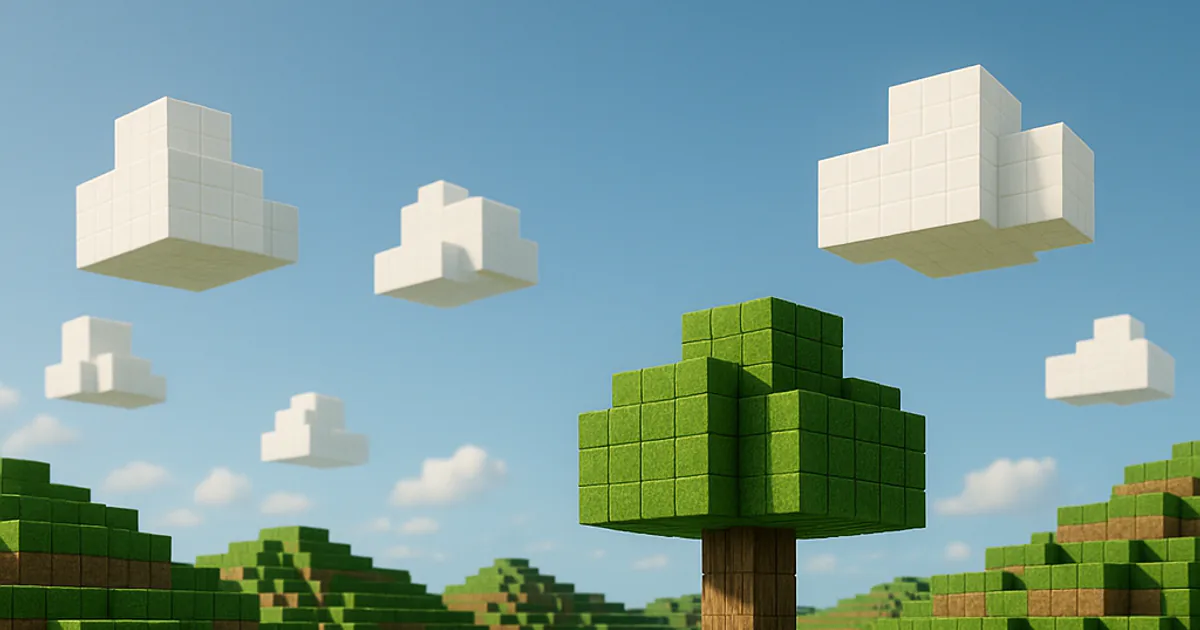 Minecraft homeschool curriculum
Use Minecraft as a genuine homeschool teaching tool — math, engineering, history builds, creative writing and even economics, for K-12.
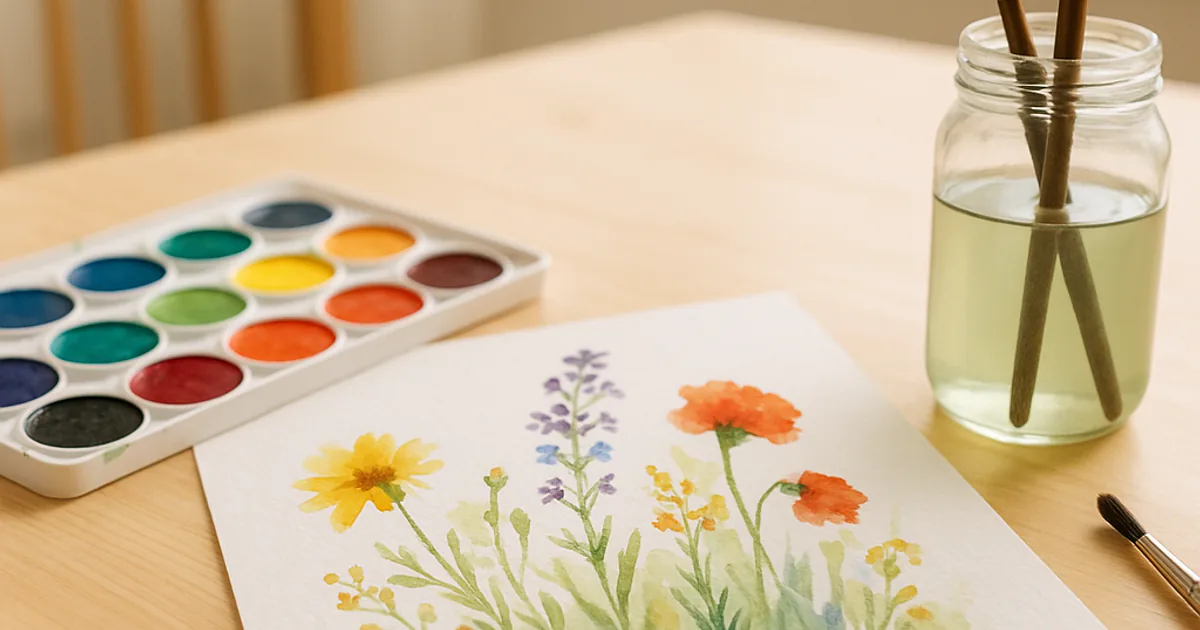 Art & Drawing homeschool curriculum
A homeschool curriculum with art at the center — technique, art history, and the math and science hiding inside drawing, for K-12 learners.
 Soccer homeschool curriculum
Turn soccer obsession into homeschool fuel — statistics, physics, geography and writing built around the world's game, for K-12.
 Horses homeschool curriculum
A homeschool curriculum built around horses — equine science, history, and the reading, math and biology inside the barn, for K-12.
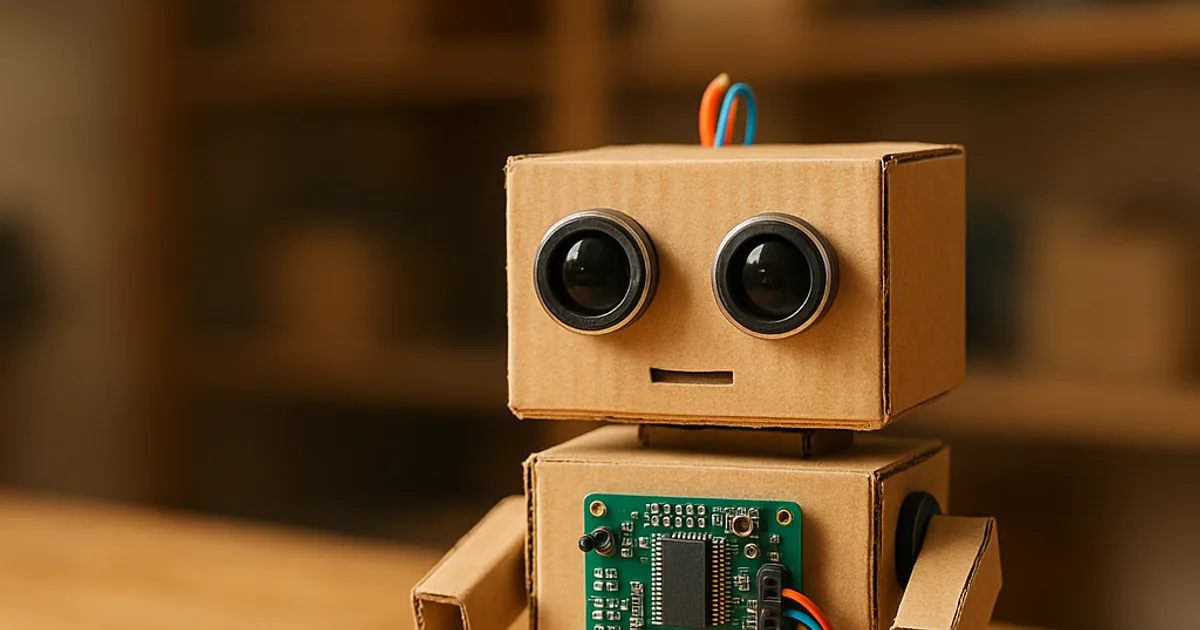 Robots & Coding homeschool curriculum
Build a homeschool curriculum around robots and coding — programming, engineering design, math and the ethics of automation, for K-12.
 Cooking & Baking homeschool curriculum
The kitchen as classroom — fractions, chemistry, world geography and budgeting through a cooking-centered homeschool curriculum, K-12.
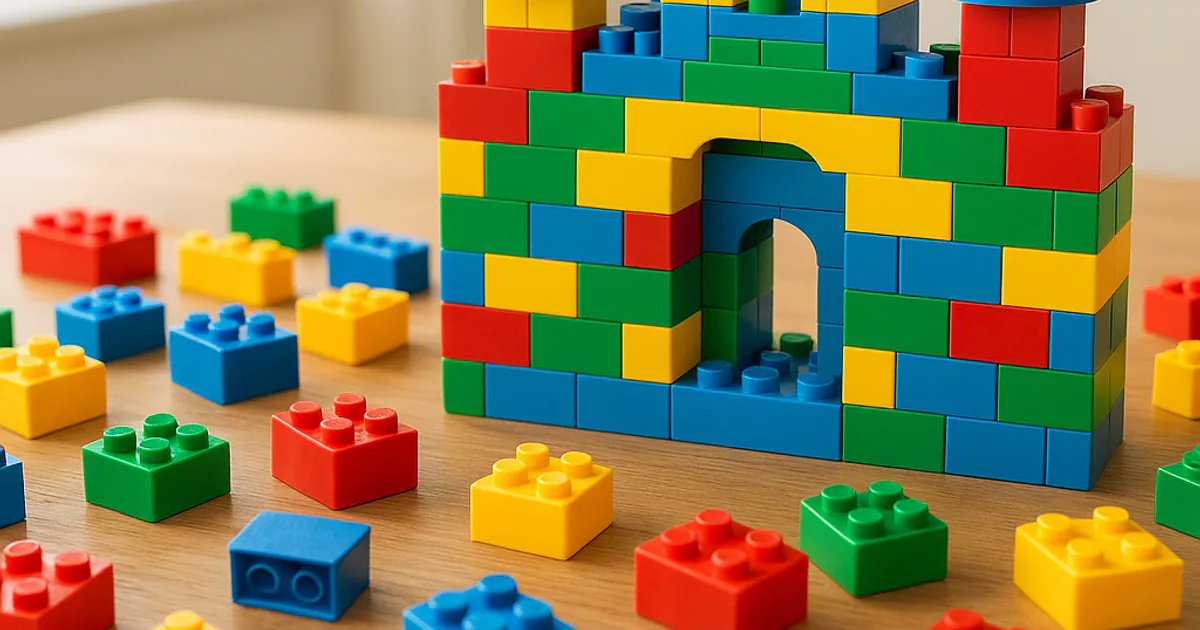 LEGO & Building homeschool curriculum
A homeschool curriculum built on LEGO — engineering, math, storytelling and design thinking through building, for K-12 learners.
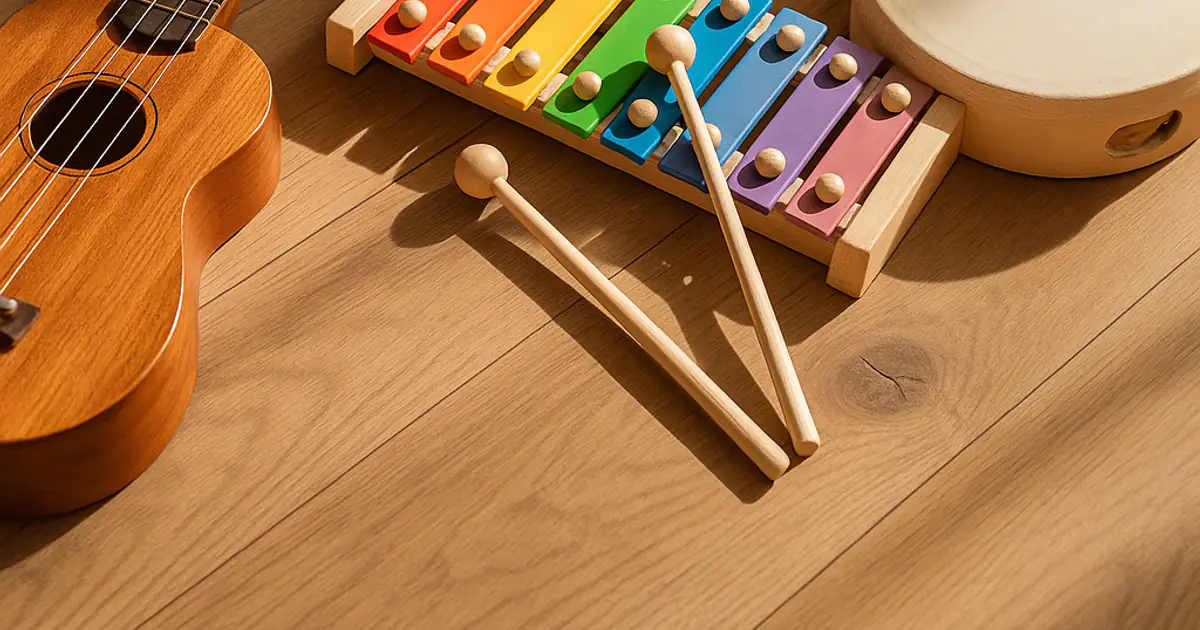 Music homeschool curriculum
A homeschool curriculum with music at its core — theory as math, sound as physics, history through its soundtrack, for K-12 learners.
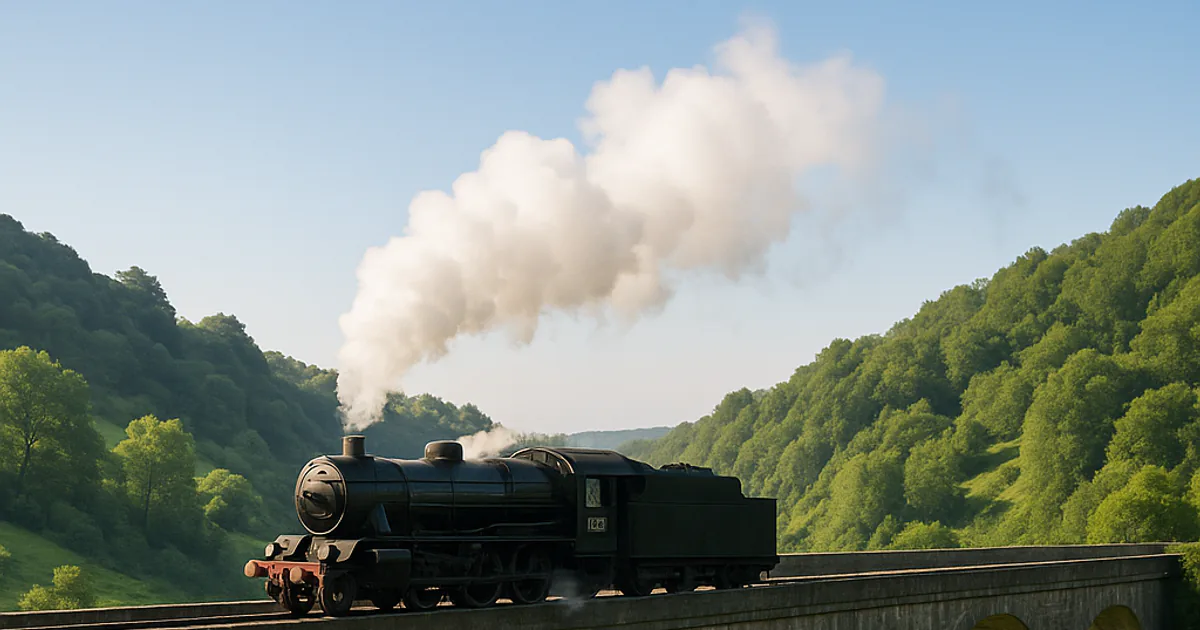 Trains homeschool curriculum
Turn a train obsession into a homeschool curriculum — engineering, industrial history, geography and math built around railroads, for K-12.
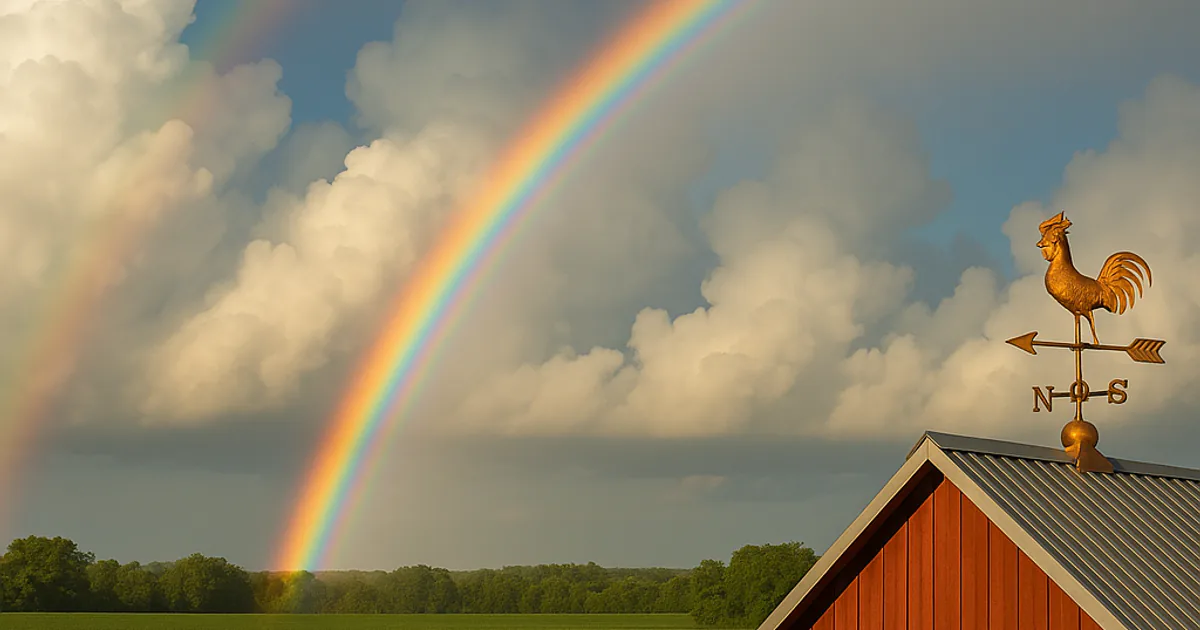 Weather & Storms homeschool curriculum
A homeschool curriculum built around weather — meteorology, data collection, climate and forecasting across science, math and geography.
 Mythology homeschool curriculum
Build a homeschool curriculum around mythology — Greek, Norse and world myths carrying literature, history, geography and art for K-12.
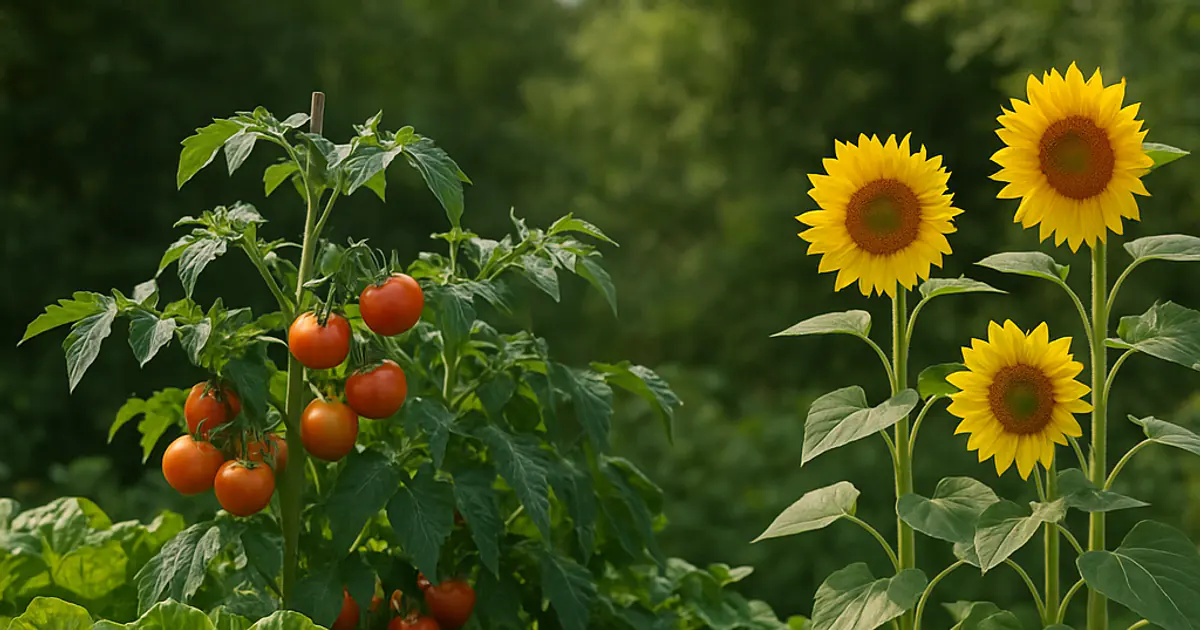 Gardening & Plants homeschool curriculum
A homeschool curriculum grown in the garden — botany, ecology, math and patience through growing food and plants, for K-12 learners.
 Ancient Egypt homeschool curriculum
A homeschool curriculum built around Ancient Egypt — archaeology, hieroglyphs, engineering and daily life along the Nile, for K-12.
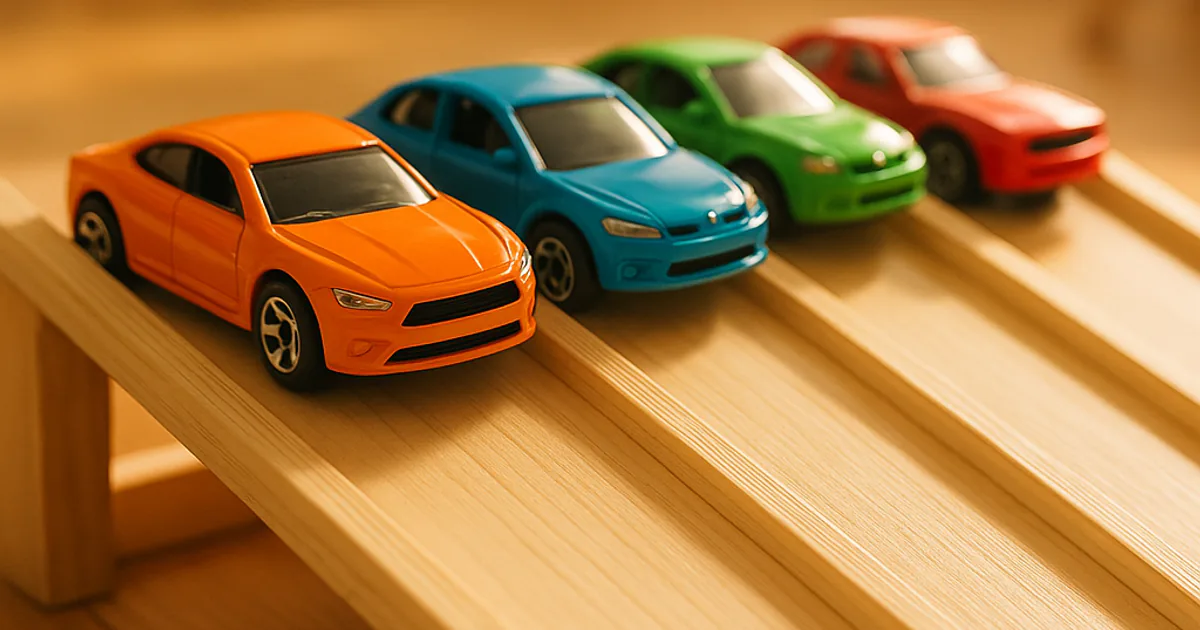 Cars & Engines homeschool curriculum
Build a homeschool curriculum around cars — mechanics, physics, design history and the economics of manufacturing, for K-12 learners.
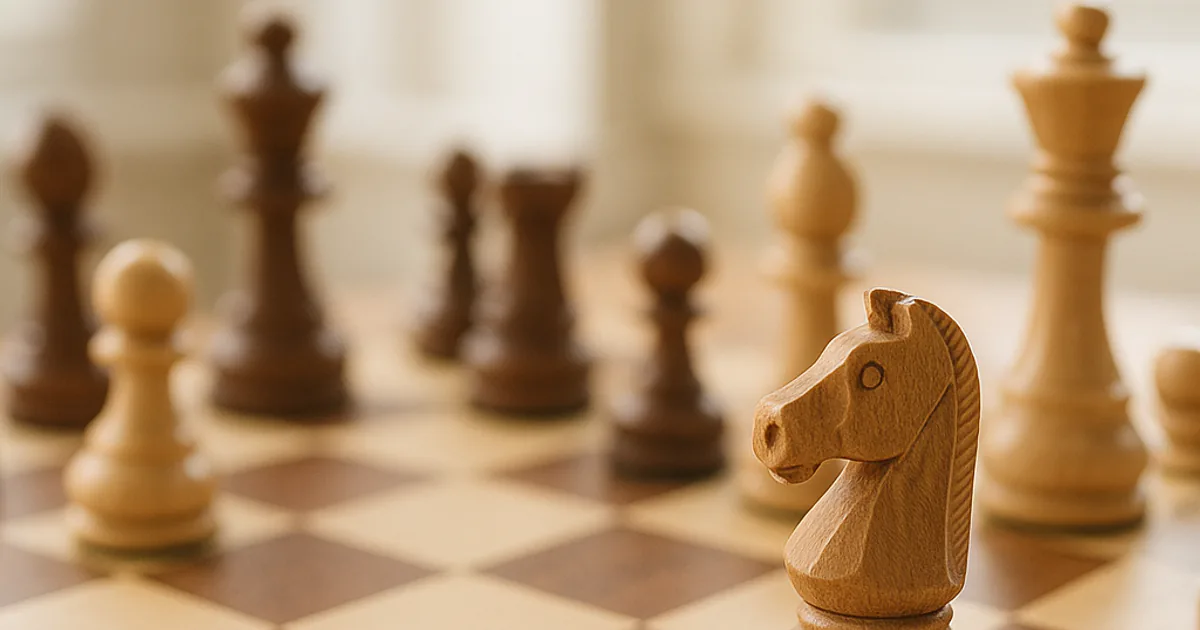 Chess & Strategy homeschool curriculum
A homeschool curriculum built around chess — strategy, mathematics, history and the discipline of thinking ahead, for K-12 learners.
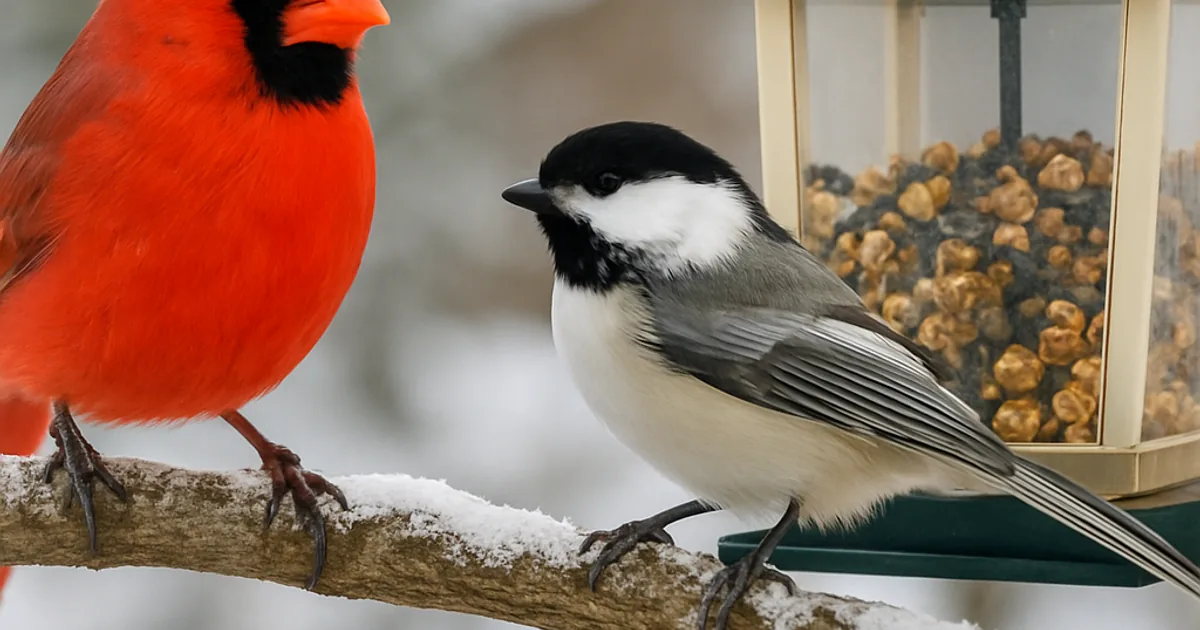 Birds & Birdwatching homeschool curriculum
A homeschool curriculum built around birds — identification, migration, ecology and citizen science you can do from the window, for K-12.
 Volcanoes & Geology homeschool curriculum
A homeschool curriculum built around volcanoes and geology — plate tectonics, rocks, deep time and natural hazards, for K-12 learners.
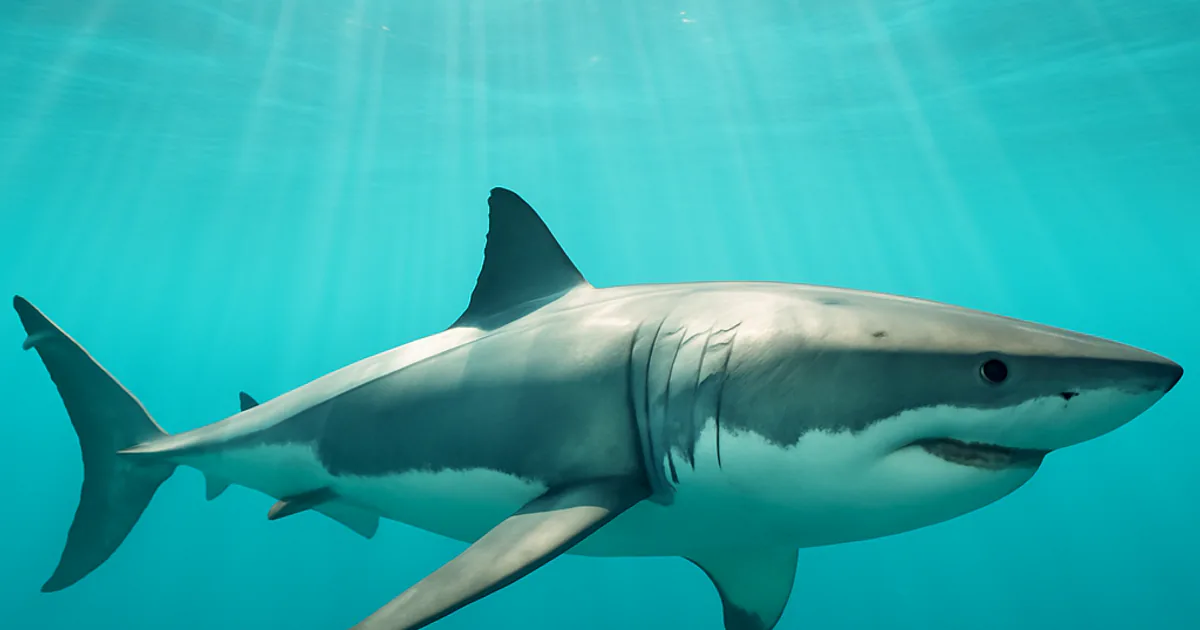 Sharks homeschool curriculum
Turn a shark obsession into a homeschool curriculum — marine biology, evolution, data literacy and conservation, for K-12 learners.
 Human Body homeschool curriculum
A human body homeschool curriculum for K-12 — anatomy, body systems, nutrition and health taught through reading, math, science and art, with a six-week plan.
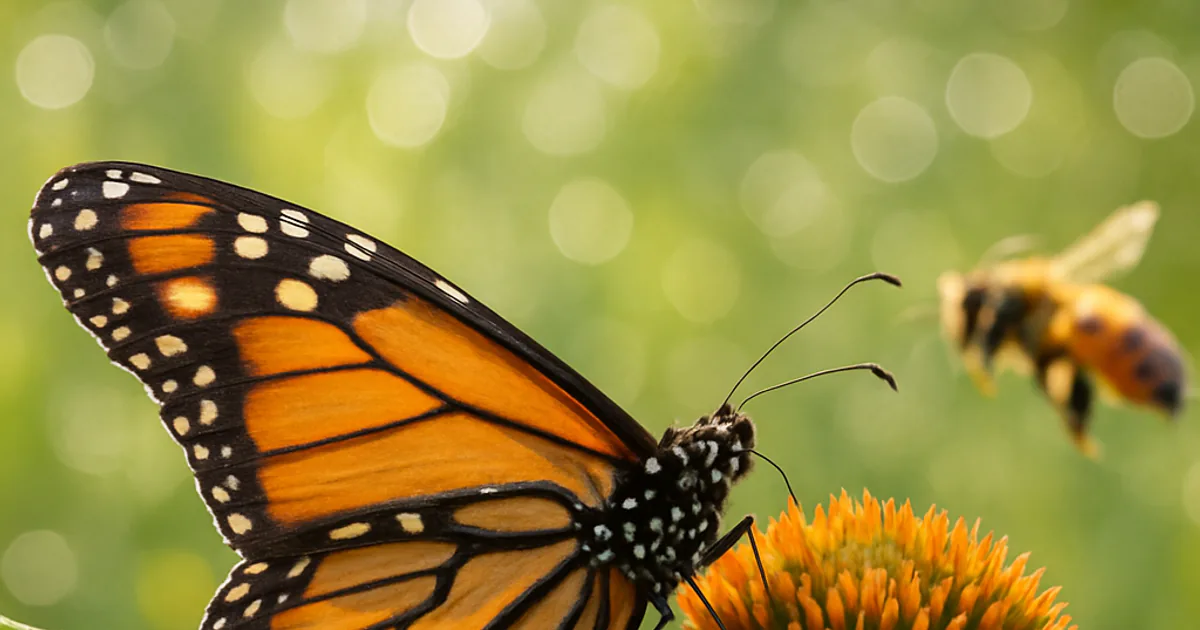 Insects & Bugs homeschool curriculum
An insect homeschool curriculum for K-12 — life cycles, entomology, pollination and ecology taught through backyard fieldwork, reading, math and art, with a six-week plan.
 Ancient Greece homeschool curriculum
An ancient Greece homeschool curriculum for K-12 — Athens and Sparta, democracy, the Olympics, philosophy and myth taught through reading, geography, math and art, with a six-week plan.
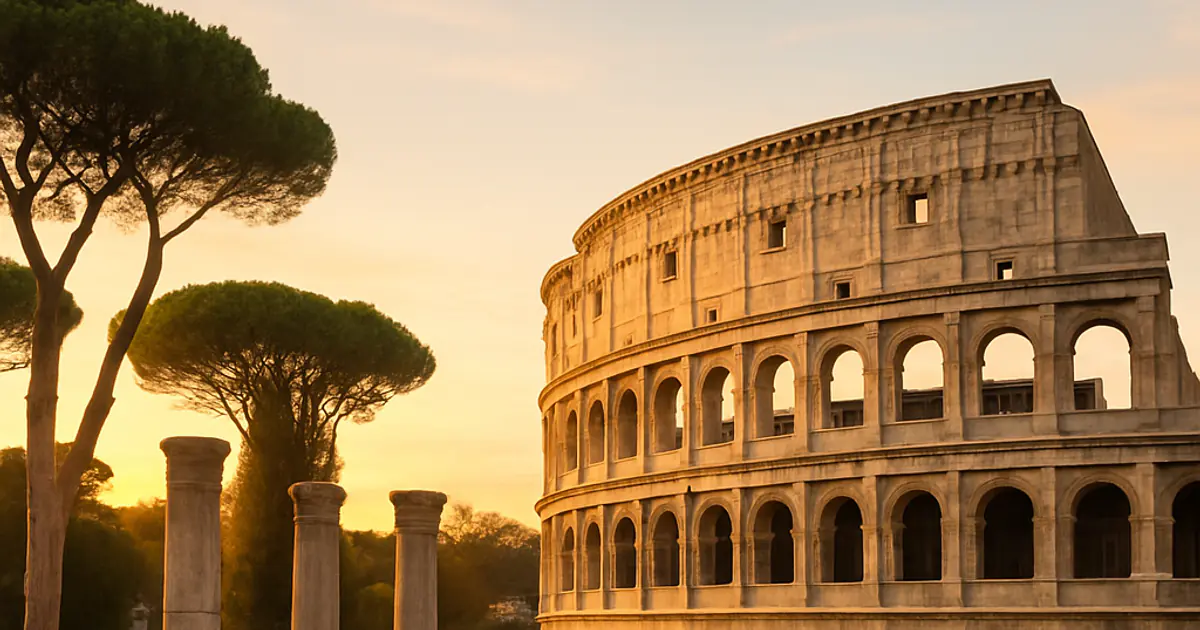 Ancient Rome homeschool curriculum
An ancient Rome homeschool curriculum for K-12 — the Republic and Empire, roads and aqueducts, Latin, daily life and the fall of Rome through reading, geography, math and art.
 American Revolution homeschool curriculum
An American Revolution homeschool curriculum for K-12 — causes, battles, the Declaration, Loyalists and Patriots, and the Constitution taught through primary sources, maps, math and art.
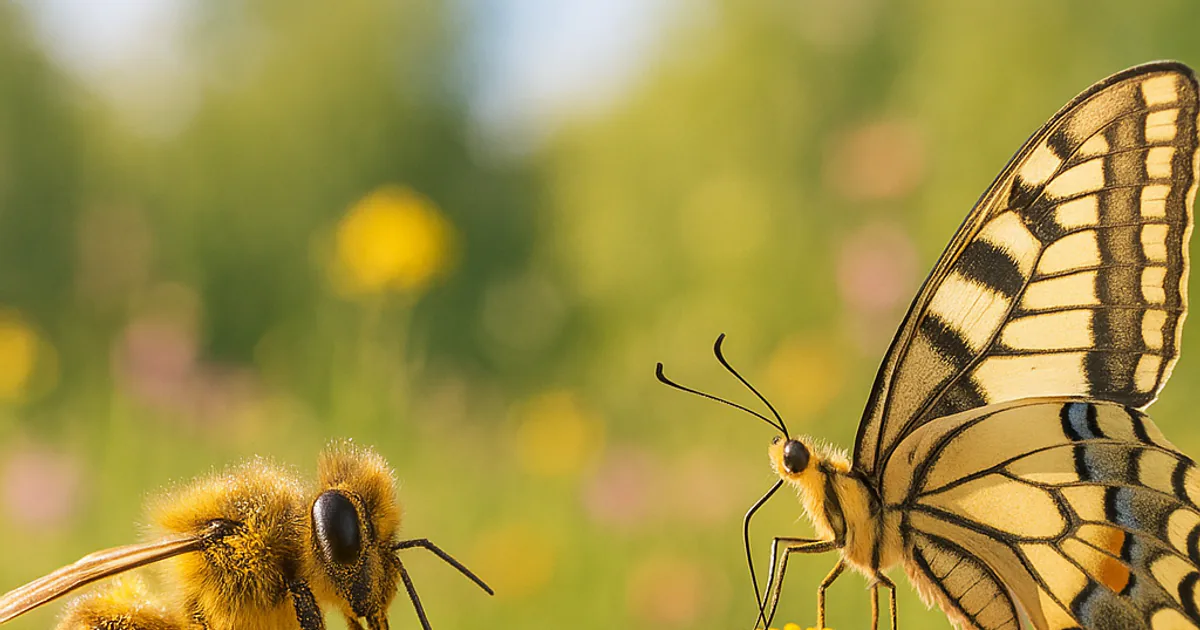 Bees & Butterflies homeschool curriculum
A pollinator homeschool curriculum for K-12 — bee and butterfly life cycles, the monarch migration, hive society and a pollinator garden taught through science, math, reading and art, with a six-week plan.
 Coding & Computer Science homeschool curriculum
A coding homeschool curriculum for K-12 — from unplugged algorithms and block-based programs to real Python, using only free tools, with a six-week plan, CSTA standards and a project portfolio.
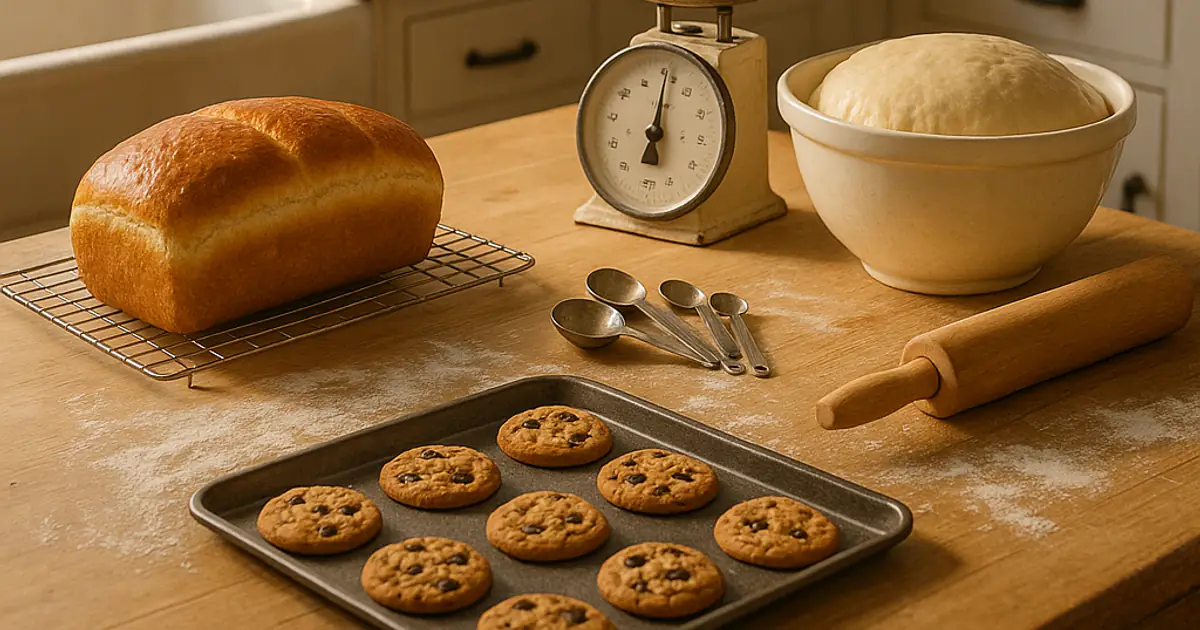 Baking homeschool curriculum
A baking homeschool curriculum for K-12 — fractions, ratios and baker's percentages, the chemistry of leavening and gluten, and controlled experiments you can eat, with a six-week plan.
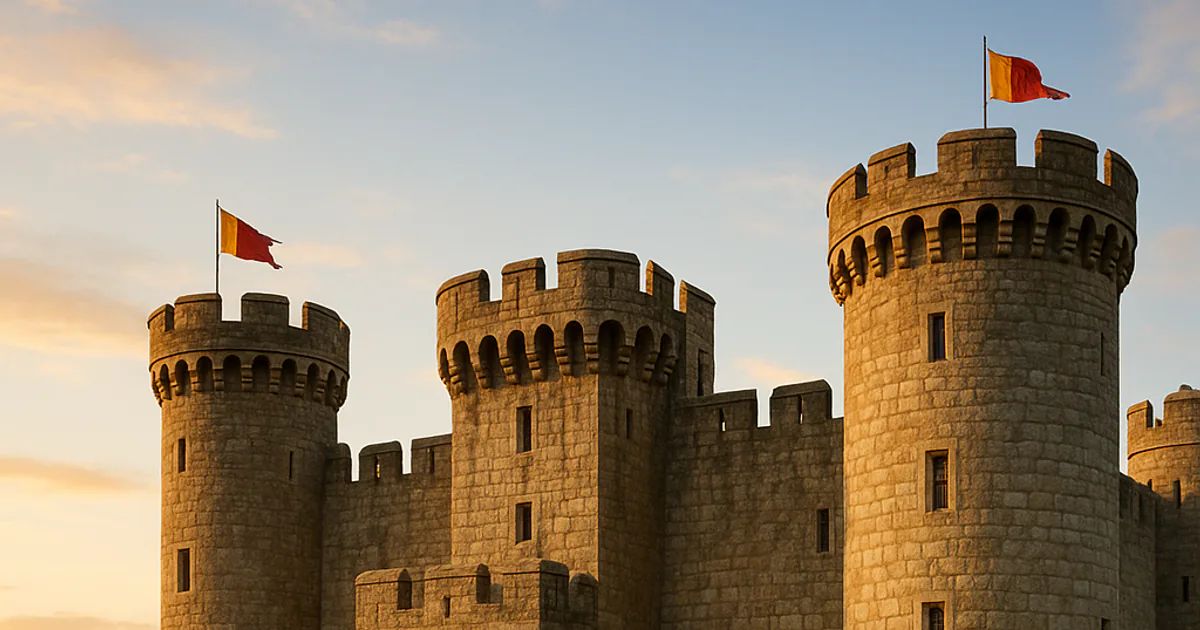 Castles & Knights homeschool curriculum
A castles and knights homeschool curriculum for K-12 — medieval Europe through castle engineering, feudal society, chivalry, siege science and primary sources, with a six-week plan and C3 standards.
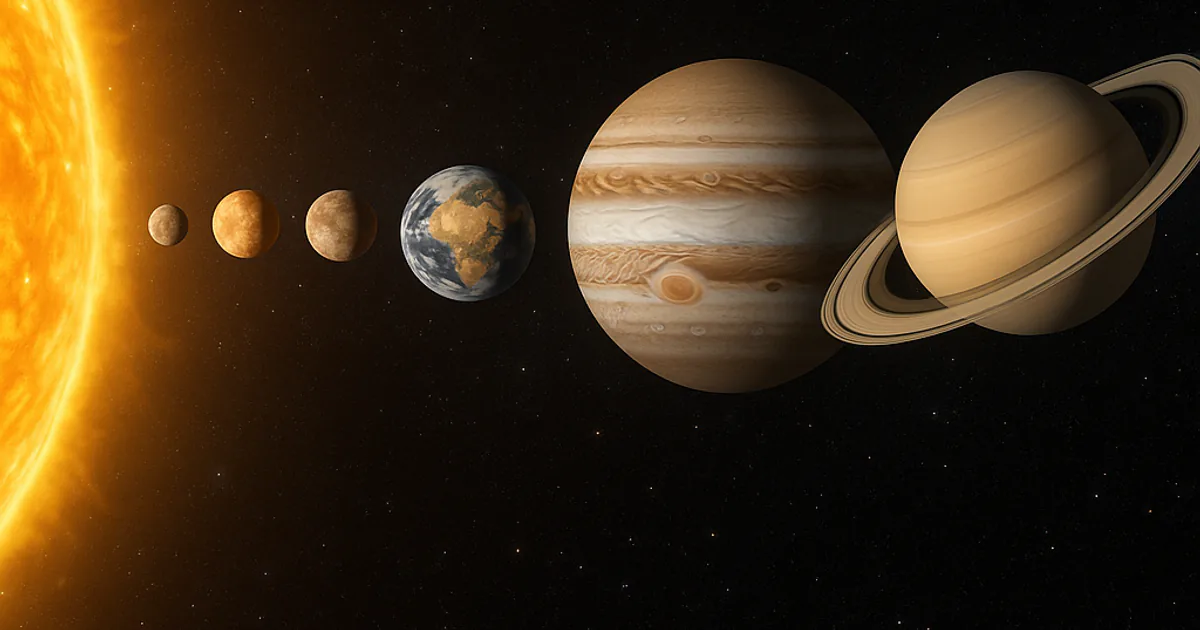 Solar System homeschool curriculum
A solar system homeschool curriculum for K-12 — the eight planets, their moons, dwarf planets, asteroids and comets, and the robotic missions that explored them, with scale models, real data and a six-week plan.
All 32 curriculum ideas by interest · Generate a curriculum around anything