3rd, 4th and 5th grade homeschool curriculum: a complete guide
Grades three to five are the years a homeschool stops being mostly about learning to read and becomes about reading to learn. A child who can decode is suddenly able to take in a nonfiction book on their own, keep a data table, follow a multi-step procedure and write a page that explains something. The interest guides on this site are written to meet that: at this band every unit produces real research, real measurements and real writing, with the topic the child chose doing the motivating.
This page covers what a week looks like from third to fifth grade, what the published standards ask for and how an interest-led unit maps onto them, a 36-week year built from six guides, and the records worth keeping. It is written for a parent teaching one child or several; where the answer changes for a mixed-age household it says so.
What a typical week looks like in grades 3–5
Formal work at this band runs about two and a half to four hours a day, four or five days a week, with third grade at the low end. Blocks lengthen to twenty or thirty minutes and, for the unit study, up to an hour and a half. The day still benefits from a predictable order — skills first while attention is fresh, the unit after — but it no longer needs to be broken into ten-minute pieces.
Reading splits into two things now. Independent reading, thirty minutes a day at the child's level, is where fluency and stamina are built; a mix of fiction and nonfiction on the current unit topic is ideal. Reading aloud continues, and it should: a chapter book two or three years above the child's own level, read to them, is how they meet complex sentences and unfamiliar vocabulary before they can decode them. Most families keep a family read-aloud going at lunch or bedtime through fifth grade and beyond.
Math takes thirty to forty-five minutes daily and needs a sequenced program: this is where fractions, multi-digit multiplication and division, decimals, area and volume and the first real data work arrive, each depending on the last. Writing gets its own twenty to thirty minutes — a paragraph that explains, a short narrative, a first report with sources — and much of it can be about the unit. Spelling, grammar and handwriting or typing are short daily add-ons, ten minutes each.
The interest unit runs sixty to ninety minutes, three or four days a week, and carries science, social studies, geography, art and the research writing. This is the age at which the unit stops being play with learning inside it and becomes a project with outputs: a sediment jar and a labeled cross-section, a bar graph from real femur measurements, a first-person account of a fossil find. A child this age can also be expected to work alone for stretches of the unit — reading the assigned pages, filling in the data table — with you checking in rather than sitting beside them throughout.
A daily rhythm for grades 3–5
| Block | Time | What happens |
|---|---|---|
| Math | 30–45 min | A sequenced program: fractions, multiplication and division, decimals, measurement and data. Daily, first thing. |
| Independent reading | 30 min | At the child's own level — half of it nonfiction on the unit topic. Logged by title and date. |
| Writing | 20–30 min | A paragraph that explains, a narrative, or a page of a report on the unit. Grammar and spelling in short bursts alongside. |
| Interest unit | 60–90 min, 3–4 days | Science, history, geography and art through the topic: models, measurements, maps, sources and a written output each week. |
| Read-aloud | 20–30 min | A book above the child's reading level, often historical fiction or narrative nonfiction tied to the unit. |
| Music, art, PE or a language | 30 min, rotating | One per day in rotation; a class, a co-op or a family activity all count. |
How interest-led units map to the grades 3–5 standards
The upper-elementary standards are the first ones that look like a syllabus, and they reward a unit-study approach because so many of them ask for the same thing: work with real data, explain in writing, use sources. In math, the Common Core for grades 3–5 asks for fractions as numbers (CCSS.MATH.CONTENT.3.NF.A.1), scaled bar graphs from collected data (3.MD.B.3), area and perimeter in real problems (4.MD.A.3), fraction multiplication in context (5.NF.B.6) and volume by counting and formula (5.MD.C.5). The guides put every one of those in a setting a child cares about: scaling a recipe, graphing museum measurements, planning a Minecraft build to a specification.
In English, the writing standards ask for short research projects that draw on several sources (CCSS.ELA-LITERACY.W.3.7), informative writing that explains a topic clearly (W.4.2) and narrative writing with a sequence of events (W.5.3). A dig report, a first-person account of Mary Anning on the Lyme Regis shore, or a retelling of one book of the Odyssey does that work directly, and the child has a reason to write it well.
Science at this band is where the Next Generation Science Standards start naming specific ideas: fossils as evidence of past environments (3-LS4-1), life cycles (3-LS1-1), rock layers and landscape change (4-ESS1-1), and the flow of matter and energy through ecosystems in fifth grade. The dinosaurs, ocean, insects and human body guides are built around those codes and list them. Social studies follows the C3 framework, whose grade 3–5 indicators ask children to compare life in a past period with life today (D2.His.2.3-5), to use maps to explain where people settled and why (D2.Geo.2.3-5) and to identify rules and who makes them (D2.Civ.8.3-5) — the ancient Greece, ancient Rome and American Revolution units do exactly that.
Coverage at this band comes from running the guide's grade 3–5 activities as written, keeping the outputs, and letting the daily math and writing blocks carry what the unit does not. The band sections below say which activities meet which standards; the standards list on each guide gives the codes.
A suggested 36-week year for grades 3–5
Six units of six weeks fill a 36-week year, alternating science and history so that neither strand goes cold, with the coding-and-measurement unit in mid-year and insects in spring when there is something to catch. The sequence below also builds skills in order: ocean introduces systems and diagrams, ancient Greece introduces maps and a long story, the human body introduces measured data, Minecraft applies area and volume, the Revolution introduces sources that disagree, and insects ends the year with a real field survey.
Each guide's grade 3–5 section holds four activities, a reading suggestion and — on the deeper guides — a six-week scope and sequence you can follow week by week. The portfolio column below is what to keep from each unit.
| Unit | Weeks | Guide | The six-week thread | Portfolio |
|---|---|---|---|---|
| 1 | 1–6 | Ocean & Marine Life | The ocean as a system: light, temperature and salt changing with depth, plankton feeding nearly everything, currents moving heat around the planet. | A depth-zone diagram, a food web with arrows explained, a written summary of one experiment. |
| 2 | 7–12 | Ancient Greece | Greece as a map and a story: mountains and sea, city-states that competed and traded, Athens against Sparta, and the Odyssey in a good retelling. | An annotated map, chapter summaries of the Odyssey, an Athens-versus-Sparta comparison chart. |
| 3 | 13–18 | Human Body | From parts to systems: what the skeleton, muscles, heart, lungs and digestive tract each do and how they depend on one another, with real measurements like pulse recovery. | A pulse-recovery data table and graph, labeled system diagrams, a model with a written explanation. |
| 4 | 19–24 | Minecraft | Building to a specification: area, perimeter and volume made physical, and a settlement with rules as a first social-studies project. | Build plans with the calculations shown, the settlement's written charter, screenshots with captions. |
| 5 | 25–30 | American Revolution | Causes, people and choices: the taxes and why they were resented, the men and women who chose a side, the Declaration in the child's own words, the war on a map. | A timeline, a two-sides piece of writing, a map of the war, the Declaration paraphrase. |
| 6 | 31–36 | Insects & Bugs | Sorting by order, keeping real tallies, and understanding what insects do for everything else: pollination, decomposition, food for the rest of the food web. | Field tally sheets turned into graphs, an insect-order chart, a pollination diagram. |
Record-keeping and the portfolio
This is the band where a portfolio starts to look like one. For each unit keep a folder: the data tables and graphs, the maps, the written outputs (drafts and final), photographs of models and builds, and the reading list. The scope-and-sequence table on each guide names an output per week; if the folder holds those six things, the unit is documented. Date everything and have the child write their own name and the unit on the cover — it is their work.
For the skill subjects, keep the math program's completed pages or tests, a writing folder with one dated sample a month (you will be startled by the growth over a year), and the reading log. Add a one-page summary each term in your own words: subjects covered, books read, what the child now does independently that they did not before. That page is what most evaluators and portfolio reviewers read first, and it is what you will want when you sit down to plan next year.
State requirements vary
Homeschool requirements differ by state, province and country, and they change. Some jurisdictions require nothing beyond a notice; others want specific subjects, a number of instructional days, standardized testing in certain grades, or an annual portfolio review by a certified teacher. Nothing on this page is legal advice. Read your own jurisdiction's current rules from the primary source before you begin, and keep the records above whatever the rules say — they answer most of the questions a reviewer asks and they make planning easier.
Common questions about homeschooling grades 3–5
How many hours a day should a 3rd, 4th or 5th grader homeschool?
About two and a half hours in third grade rising to around four by fifth, four or five days a week. Math, reading and writing take the first ninety minutes to two hours; the interest unit takes an hour to ninety minutes on the days it runs. That is comparable to the actual instructional time in a classroom day once transitions are removed, and at home it is all direct.
Can one unit study cover science and social studies at the same time?
Usually one is the lead and the other is supporting. A dinosaur unit is science with geography and history of science alongside; an ancient Rome unit is history with engineering math and geography alongside. Over a year, alternating science-led and history-led units — as the 36-week plan above does — gives both strands their turn as the main subject.
When should my child start writing reports?
Third grade, in a small way: a paragraph that explains one thing, drawn from two books, with the sources named. By fifth grade a two-page report with an introduction, three sections and a short list of sources is a reasonable expectation. The unit provides the topic and the sources; the daily writing block provides the practice. Expect drafts to be revised, and keep both versions.
How do I homeschool a 3rd grader and a 5th grader together?
Share the unit and separate the skills. Both children do the same hands-on activity and hear the same read-aloud; the third grader labels the diagram and writes a paragraph, the fifth grader measures, graphs and writes two pages. Math and independent reading run at each child's own level and are short enough to stagger. Every guide's grade-band sections are written for exactly this — one topic, different outputs.
Is my child behind if we skipped a subject last year?
In elementary school the only subjects where sequence is unforgiving are math and reading, and both can be picked up from wherever the child actually is with a placement test and a program. Science and social studies content at this band is not cumulative in the same way — a child who did no history in third grade and starts with ancient Greece in fourth has lost nothing that cannot be covered. Assess where they are, start there, and keep going.
The grades 3–5 section of every interest guide
All 32 guides, each opening at its grades 3–5 activities and reading suggestion where the guide has a dedicated section.
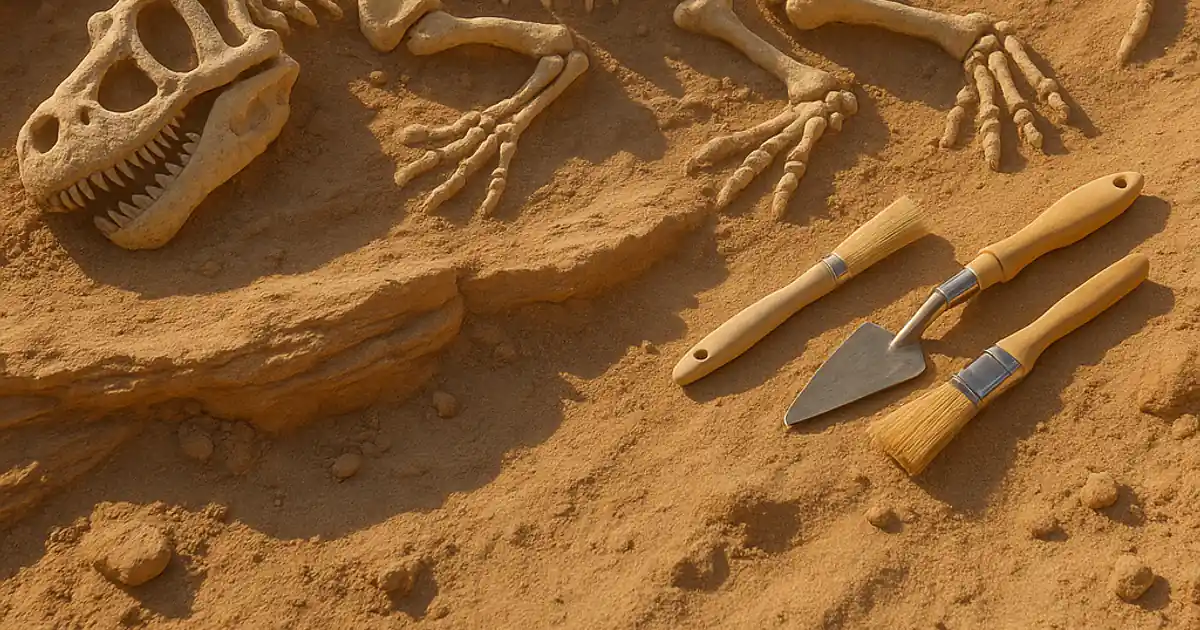 Dinosaurs for grades 3–5
Turn a dinosaur obsession into a full homeschool curriculum — reading, math, science, history and art built around paleontology, for K-12. Opens the grades 3–5 section.
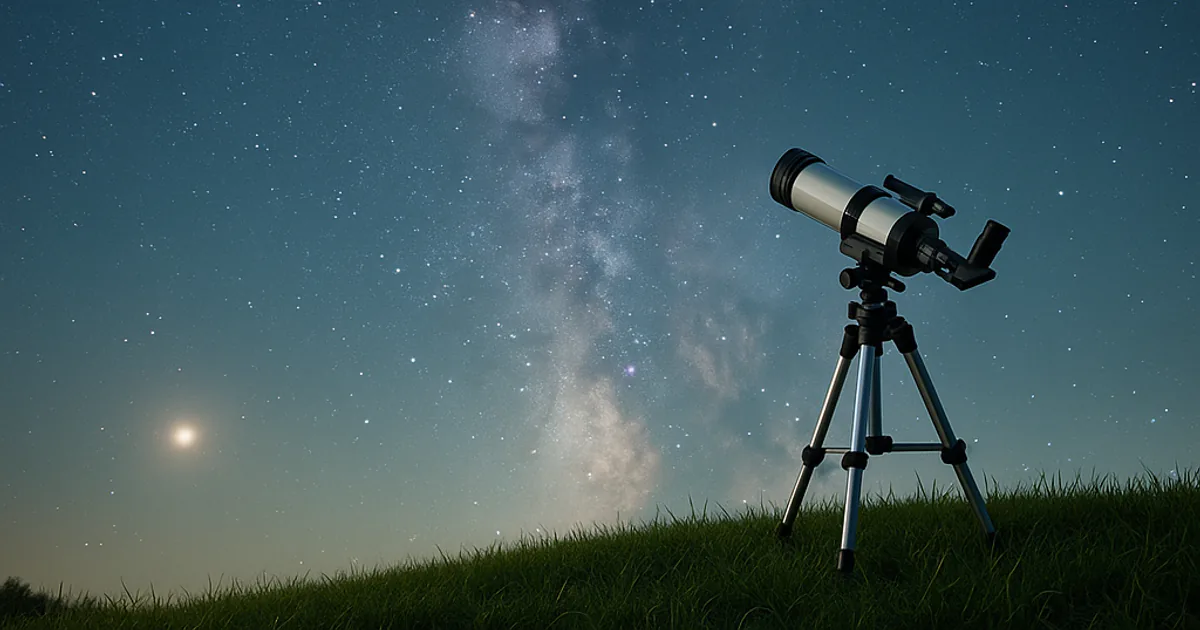 Space & Astronomy for grades 3–5
Build a K-12 homeschool curriculum around space — astronomy, rocketry, and the history of exploration woven through reading, math and science. Opens the guide.
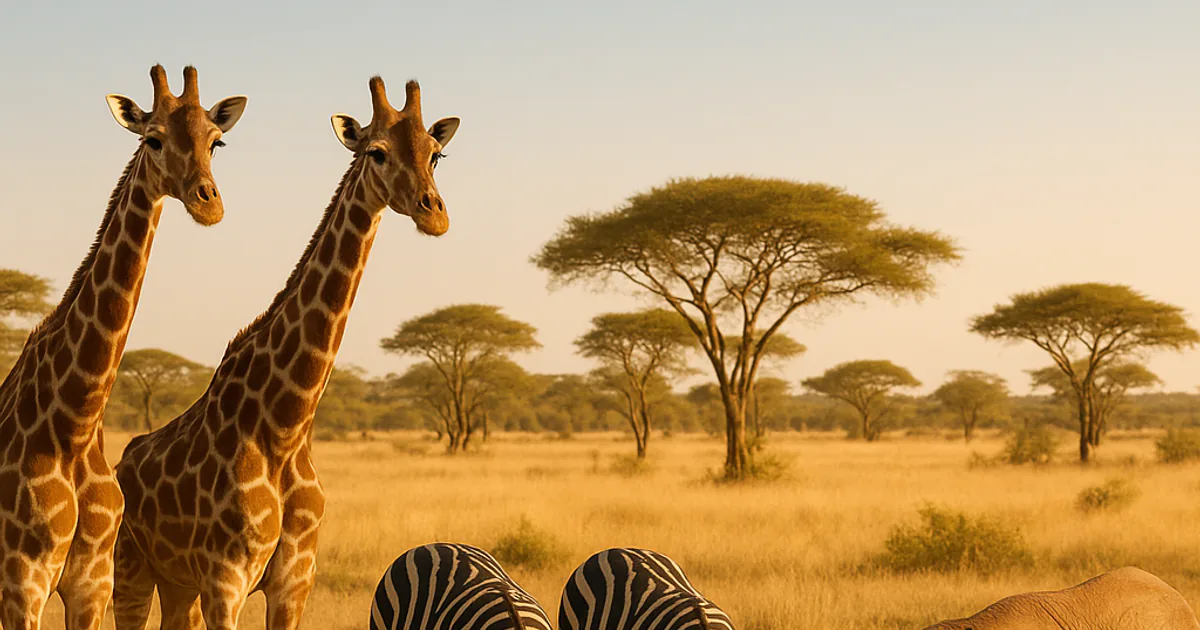 Animals & Wildlife for grades 3–5
A homeschool curriculum built around animals — zoology, habitats, and conservation woven through reading, math, science and geography for K-12. Opens the grades 3–5 section.
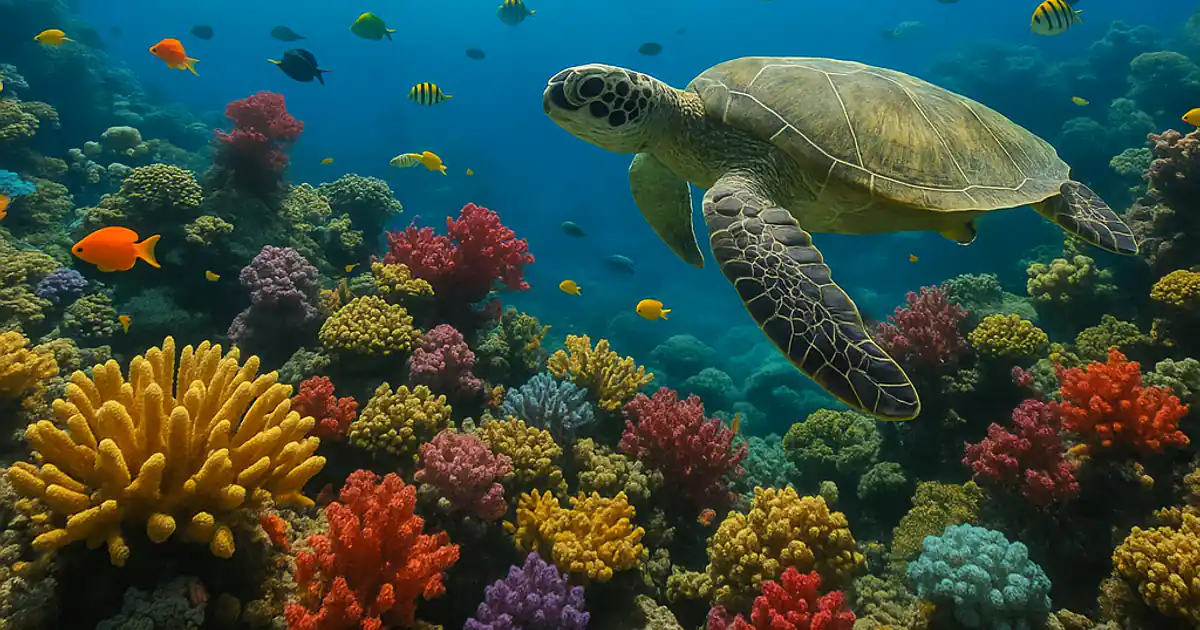 Ocean & Marine Life for grades 3–5
Build a homeschool curriculum around the ocean — marine biology, oceanography and exploration across reading, math, science and geography. Opens the grades 3–5 section.
 Minecraft for grades 3–5
Use Minecraft as a genuine homeschool teaching tool — math, engineering, history builds, creative writing and even economics, for K-12. Opens the grades 3–5 section.
 Art & Drawing for grades 3–5
A homeschool curriculum with art at the center — technique, art history, and the math and science hiding inside drawing, for K-12 learners. Opens the guide.
 Soccer for grades 3–5
Turn soccer obsession into homeschool fuel — statistics, physics, geography and writing built around the world's game, for K-12. Opens the guide.
 Horses for grades 3–5
A homeschool curriculum built around horses — equine science, history, and the reading, math and biology inside the barn, for K-12. Opens the guide.
 Robots & Coding for grades 3–5
Build a homeschool curriculum around robots and coding — programming, engineering design, math and the ethics of automation, for K-12. Opens the guide.
 Cooking & Baking for grades 3–5
The kitchen as classroom — fractions, chemistry, world geography and budgeting through a cooking-centered homeschool curriculum, K-12. Opens the guide.
 LEGO & Building for grades 3–5
A homeschool curriculum built on LEGO — engineering, math, storytelling and design thinking through building, for K-12 learners. Opens the guide.
 Music for grades 3–5
A homeschool curriculum with music at its core — theory as math, sound as physics, history through its soundtrack, for K-12 learners. Opens the guide.
 Trains for grades 3–5
Turn a train obsession into a homeschool curriculum — engineering, industrial history, geography and math built around railroads, for K-12. Opens the grades 3–5 section.
 Weather & Storms for grades 3–5
A homeschool curriculum built around weather — meteorology, data collection, climate and forecasting across science, math and geography. Opens the guide.
 Mythology for grades 3–5
Build a homeschool curriculum around mythology — Greek, Norse and world myths carrying literature, history, geography and art for K-12. Opens the guide.
 Gardening & Plants for grades 3–5
A homeschool curriculum grown in the garden — botany, ecology, math and patience through growing food and plants, for K-12 learners. Opens the guide.
 Ancient Egypt for grades 3–5
A homeschool curriculum built around Ancient Egypt — archaeology, hieroglyphs, engineering and daily life along the Nile, for K-12. Opens the guide.
 Cars & Engines for grades 3–5
Build a homeschool curriculum around cars — mechanics, physics, design history and the economics of manufacturing, for K-12 learners. Opens the guide.
 Chess & Strategy for grades 3–5
A homeschool curriculum built around chess — strategy, mathematics, history and the discipline of thinking ahead, for K-12 learners. Opens the guide.
 Birds & Birdwatching for grades 3–5
A homeschool curriculum built around birds — identification, migration, ecology and citizen science you can do from the window, for K-12. Opens the guide.
 Volcanoes & Geology for grades 3–5
A homeschool curriculum built around volcanoes and geology — plate tectonics, rocks, deep time and natural hazards, for K-12 learners. Opens the guide.
 Sharks for grades 3–5
Turn a shark obsession into a homeschool curriculum — marine biology, evolution, data literacy and conservation, for K-12 learners. Opens the guide.
 Human Body for grades 3–5
A human body homeschool curriculum for K-12 — anatomy, body systems, nutrition and health taught through reading, math, science and art, with a six-week plan. Opens the grades 3–5 section.
 Insects & Bugs for grades 3–5
An insect homeschool curriculum for K-12 — life cycles, entomology, pollination and ecology taught through backyard fieldwork, reading, math and art, with a six-week plan. Opens the grades 3–5 section.
 Ancient Greece for grades 3–5
An ancient Greece homeschool curriculum for K-12 — Athens and Sparta, democracy, the Olympics, philosophy and myth taught through reading, geography, math and art, with a six-week plan. Opens the grades 3–5 section.
 Ancient Rome for grades 3–5
An ancient Rome homeschool curriculum for K-12 — the Republic and Empire, roads and aqueducts, Latin, daily life and the fall of Rome through reading, geography, math and art. Opens the grades 3–5 section.
 American Revolution for grades 3–5
An American Revolution homeschool curriculum for K-12 — causes, battles, the Declaration, Loyalists and Patriots, and the Constitution taught through primary sources, maps, math and art. Opens the grades 3–5 section.
 Bees & Butterflies for grades 3–5
A pollinator homeschool curriculum for K-12 — bee and butterfly life cycles, the monarch migration, hive society and a pollinator garden taught through science, math, reading and art, with a six-week plan. Opens the grades 3–5 section.
 Coding & Computer Science for grades 3–5
A coding homeschool curriculum for K-12 — from unplugged algorithms and block-based programs to real Python, using only free tools, with a six-week plan, CSTA standards and a project portfolio. Opens the grades 3–5 section.
 Baking for grades 3–5
A baking homeschool curriculum for K-12 — fractions, ratios and baker's percentages, the chemistry of leavening and gluten, and controlled experiments you can eat, with a six-week plan. Opens the grades 3–5 section.
 Castles & Knights for grades 3–5
A castles and knights homeschool curriculum for K-12 — medieval Europe through castle engineering, feudal society, chivalry, siege science and primary sources, with a six-week plan and C3 standards. Opens the grades 3–5 section.
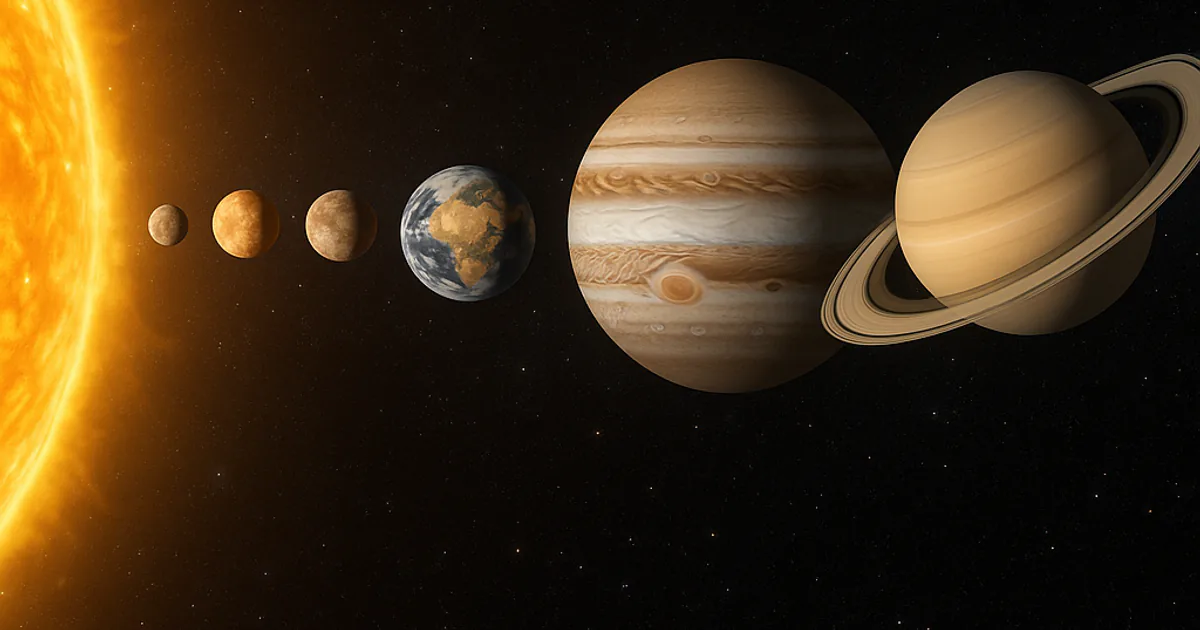 Solar System for grades 3–5
A solar system homeschool curriculum for K-12 — the eight planets, their moons, dwarf planets, asteroids and comets, and the robotic missions that explored them, with scale models, real data and a six-week plan. Opens the grades 3–5 section.
Other grade bands
Early Learners (grades K–2)
Short daily lessons, read-alouds, phonics and counting, and an interest-led unit that carries science and social studies. About 1–2 hours of formal work a day.
Middle School (grades 6–8)
Pre-algebra, argument writing, real data and the first primary sources. Students manage more of the day themselves. About 4–5 hours of formal work a day.
High School (grades 9–12)
Credits, a transcript, lab reports and primary sources. Units run at the level of a college introductory course. About 5–6 hours of formal work a day.
Build the year around what they love
Generate a complete, standards-aligned curriculum for grades 3–5 around any interest in minutes — free to try, no account required.