Farm homeschool curriculum: farming unit study ideas for K-12
By Hands Down Education · Published
Children are fascinated by where food comes from, and a farm unit study answers the question properly: how a seed becomes a loaf of bread, why a hen lays an egg most days, what a cow eats and what it gives back to the soil, and why a farmer watches the weather forecast more closely than anyone else. Farming is applied science, math and economics happening on a scale a child can see, touch and taste, which makes it one of the most concrete units a family can run.
It also works anywhere. A farm family has the curriculum outside the door, but a city family can grow beans on a windowsill, keep a compost bucket, visit a farmers market or a pick-your-own farm, and read the label on a cereal box as a map of the world's fields. The unit reaches into life science (plant and animal needs, life cycles, inherited traits and breeding), earth science (soil, water and erosion), math (yields, measurements, prices and graphs), history (from the first farmers to the Dust Bowl and the Green Revolution) and economics, and it pairs naturally with our gardening, cooking and bees and butterflies guides.
Build a farming unit for your child
Generate a complete, standards-aligned curriculum around this interest in minutes — free to try, no account required.
What your child will learn
By the end of this unit a child working at their own grade band can:
- Describe what farm animals and crops need to live and grow, using observations from a farm visit or a windowsill planting. (Science · Life Science, K-LS1)
- Sort farm animals or produce into groups, count each group and compare the counts. (Math · Data, K.MD.B)
- Plan and run a fair test showing whether seedlings need sunlight and water to grow. (Science · Life Science, 2-LS2)
- Explain with evidence how farm animals and crops inherit traits from their parents and how traits vary within a breed or variety. (Science · Life Science, 3-LS3)
- Model how matter moves from plants to animals to decomposers and back to the soil through compost and manure. (Science · Life Science, 5-LS2)
- Explain how farmers decide what to grow using costs, prices and yields, and why weather makes farm income uncertain. (History & Social Studies · Economics, C3.Eco)
- Design and test a way to reduce soil erosion and runoff, and connect the results to the Dust Bowl. (Science · Earth and Human Activity, MS-ESS3)
- Use Punnett squares and probability to predict the results of a breeding cross and explain how selective breeding changes a population. (Science · Biology, HS-LS3)
A sample week
Reading & Writing
Keep a farm journal for the week: each day, one entry on a single farm animal or crop, with a labeled sketch, what it needs, what it gives people and one question to answer by Friday.
Math
Plant bean seeds in three cups, measure each seedling with a ruler every day, record the heights in a table and draw a line or bar graph of the growth by the end of the week.
Science
Run a seed experiment: one cup with sun and water, one with water but no sun, one with sun but no water, and predict, observe and explain which seedlings thrive and why.
Social Studies
Trace a breakfast back to the farm: list every ingredient in one meal, find where each is grown on a map of your state, country or the world, and count how many farms it took to make it.
Art
Draw a cross-section map of a farm you visit or read about, showing fields, barns, the water source, the animals and where the food leaves the farm, and label each part.
Get the 6-week planner + new unit ideas
A print-ready PDF of this farming unit study — the six-week scope and sequence, grade-band notes, reading list and FAQs — plus an occasional email when a new interest guide goes up.
Adapting by grade
K-2 learners meet farm animals and crops through care and observation: what animals eat, what they give us, baby animals and their parents, and seeds that sprout on the windowsill. A farm visit, a sprouting jar or a single potted tomato plant is plenty.
Middle and high schoolers can study the farm as a system: soil science and nutrient cycles, genetics and selective breeding, farm economics and prices, water and erosion, and the history of agriculture from the first domesticated crops to mechanization, the Dust Bowl and modern questions about feeding a growing population.
Homeschool curriculum guides by grade band: Early Learners (K–2) · Elementary (3–5) · Middle School (6–8) · High School (9–12)
Activities by grade band
Grades K-2: animals, babies and growing seeds
Young children learn the farm through care and observation: which animals live on a farm, what each eats, what each gives people, how babies resemble their parents, and how a seed needs soil, water and light to sprout. Real seedlings on the windowsill and a farm visit, or a good picture book and a set of toy animals, carry this band.
- Animal match: match farm animals to their babies (cow and calf, sheep and lamb, hen and chick, horse and foal), to what they eat and to what they give people, then sort a pile of toy or picture animals by how many legs they have and count each group.
- Bean in a bag: tape a damp paper towel with a bean seed inside a sandwich bag to a window and draw it every day as the root and shoot appear.
- Egg to omelet: crack an egg, name its parts, cook it together, and talk about what a hen needs each day to keep laying.
- Farm visit or farmers market: take a picture list of six things to find, ask a farmer one question, and draw the best part of the day.
Reading suggestion: Farming by Gail Gibbons, a picture-book tour of a family farm through the seasons, and Click, Clack, Moo: Cows That Type by Doreen Cronin for laughter and a first conversation about what farm animals need.
Early Learners homeschool curriculum guide (grades K–2)
Grades 3-5: crops, food chains and the farm year
Upper elementary students can run controlled plant experiments, follow a crop from seed to harvest, learn food chains and how decomposers return nutrients to the soil, and compare farming in different climates. This is the age for a measured garden bed, a compost bin with a temperature log and real data on how much a farm produces.
- Fair test: grow the same seeds with different amounts of light or water, keep everything else the same, measure growth for three weeks and graph the results.
- Compost cycle: start a compost bin or bottle, record its temperature and appearance weekly, and draw the cycle from plant to animal to manure or scraps to soil to plant.
- Grain to bread: thresh a handful of wheat or oats if you can find them, grind grain in a blender, bake simple bread and write the steps from field to table.
- Farm map: compare what farms grow in three climates, such as Iowa corn, California almonds and Hawaiian coffee, and explain why each crop grows there.
Reading suggestion: Farmer Boy by Laura Ingalls Wilder, about Almanzo's year on a New York farm in the 1860s, and Charlotte's Web by E. B. White, read with an eye on how the Zuckermans' barn and fair actually work.
Elementary homeschool curriculum guide (grades 3–5)
Grades 6-8: soil, water and the business of farming
Middle schoolers can treat a farm as an ecosystem and a business. They can test soil, model erosion and runoff, calculate yields and costs, read real agricultural statistics, and weigh the trade-offs between methods. The NGSS middle-school life and earth-science standards on resources, ecosystems and human impact map directly onto this band.
- Soil investigation: compare garden soil, sand and clay with a jar test for texture, a drainage test with a funnel and a simple pH kit, and recommend which crop each soil suits.
- Erosion model: build two trays of soil, one bare and one planted or mulched, pour the same amount of water down each, measure the runoff and sediment, and connect the result to the Dust Bowl.
- Farm budget: choose one crop, find seed, fertilizer and fuel costs and a market price, calculate the profit per acre at three different yields, and explain why a bad year hurts.
- Read the data: use USDA statistics to graph your state's top five farm products and write a paragraph on what the graph shows.
Reading suggestion: The Omnivore's Dilemma: Young Readers Edition by Michael Pollan, which follows four meals back to their farms, paired with Seedfolks by Paul Fleischman, a short novel about neighbors who turn a vacant lot into a garden.
Middle School homeschool curriculum guide (grades 6–8)
Grades 9-12: genetics, agricultural history and food systems
High schoolers can explain selective breeding with Mendelian genetics, trace agriculture's history from the first domesticated crops through mechanization and the Green Revolution, and research current debates about water, soil health and feeding a growing world with evidence from several sides. With lab write-ups and a research paper, this unit supports a biology, environmental science or history credit.
- Breeding cross: use Punnett squares to predict the offspring of crosses for a simple trait, such as horned and polled cattle, then compare your predictions with a real breed's history.
- Agricultural timeline: build a timeline from early farming in the Fertile Crescent through the steel plow, the tractor, the Dust Bowl and the Green Revolution, with one paragraph on how each change affected where and how people lived.
- Policy research: choose one question, such as irrigation in a dry region or soil conservation, find evidence from at least three perspectives and write a balanced two-page brief.
- Yield analysis: graph a century of U.S. corn or wheat yields from USDA data and explain the main causes of the change.
Reading suggestion: The Worst Hard Time by Timothy Egan, the National Book Award-winning history of the Dust Bowl, alongside the free lessons and data from National Agriculture in the Classroom and the USDA Census of Agriculture.
Six-week scope and sequence
| Week | Focus | Key activity | Output |
|---|---|---|---|
| 1 | Farm animals | Animals, their babies, needs and products; a farm visit or market trip; start the farm journal. | Journal pages for four farm animals. |
| 2 | Seeds and crops | Plant experiments and growth charts; the parts of a plant; crops from seed to harvest. | A growth graph and a labeled plant diagram. |
| 3 | Soil and compost | Soil tests, compost bins, decomposers and the cycle of nutrients. | A soil test record and a nutrient-cycle drawing. |
| 4 | Weather, water and the farm year | Seasons and planting calendars; erosion model; irrigation; the Dust Bowl. | A farm calendar and an erosion experiment write-up. |
| 5 | The farm as a business | Breakfast trace, farm math, yields, costs and prices, and graphs of real agricultural data. | A food map and a farm budget or price graph. |
| 6 | Farming past and future | History of agriculture, breeding and genetics, current questions; final presentation or harvest meal. | A finished farm journal, timeline or research brief. |
Standards this unit covers
- K-LS1-1 (NGSS) — Use observations to describe patterns of what plants and animals (including humans) need to survive — feeding animals and growing seeds.
- 1-LS3-1 (NGSS) — Make observations to construct an evidence-based account that young plants and animals are like, but not exactly like, their parents — matching farm animals to their babies.
- 2-LS2-1 (NGSS) — Plan and conduct an investigation to determine if plants need sunlight and water to grow — the three-cup seed experiment.
- 5-LS2-1 (NGSS) — Develop a model to describe the movement of matter among plants, animals, decomposers and the environment — the compost cycle.
- MS-ESS3-3 (NGSS) — Apply scientific principles to design a method for monitoring and minimizing a human impact on the environment — the erosion model and soil conservation.
- HS-LS3-3 (NGSS) — Apply concepts of statistics and probability to explain the variation and distribution of expressed traits in a population — selective breeding with Punnett squares.
- CCSS.MATH.CONTENT.2.MD.D.10 (CCSS Math) — Draw a picture graph and a bar graph to represent a data set with up to four categories — graphing seedling growth and farm animal counts.
- CCSS.ELA-LITERACY.W.4.2 (CCSS ELA) — Write informative/explanatory texts to examine a topic and convey ideas and information clearly — the farm journal and field-to-table steps.
Recommended books, sites and kits
- Farming by Gail Gibbons (Book (K-2)) — A clear, cheerful picture book of a farm's year, from spring planting to winter chores.
- Click, Clack, Moo: Cows That Type by Doreen Cronin (Book (K-3)) — Funny read-aloud about cows who negotiate with Farmer Brown; a good first discussion of animal needs.
- Farmer Boy by Laura Ingalls Wilder (Book (3-6)) — A year of work on a 19th-century farm, full of detail about crops, animals, tools and food.
- Charlotte's Web by E. B. White (Book (3-5)) — The classic barnyard story, also a picture of a working farm and a county fair.
- The Omnivore's Dilemma: Young Readers Edition by Michael Pollan (Book (6-9)) — Follows meals back to industrial, organic and local farms; good for discussion and debate.
- The Worst Hard Time by Timothy Egan (Book (9-12)) — Narrative history of the Dust Bowl and the farm families who lived through it.
- National Agriculture in the Classroom (Website) — Free, searchable lesson plans, maps and readers on agriculture for every grade.
- USDA National Agricultural Statistics Service (Website) — Free crop, livestock and Census of Agriculture data by state and county for real graphing projects.
Materials and free resources
- Bean, pea or radish seeds, potting soil, cups or small pots, a ruler and a watering can for growth experiments.
- A sandwich bag and paper towel for a seed window, and a bucket or bottle with a thermometer for compost.
- Clear jars, a funnel, two shallow trays and a simple soil pH kit for the soil and erosion tests.
- A notebook for the farm journal, colored pencils and a map of your state or the world for food tracing.
- National Agriculture in the Classroom: free lesson plans, readers and the interactive agricultural map.
- USDA National Agricultural Statistics Service and the Census of Agriculture: free crop and livestock data by state and county.
- Your county extension office and local 4-H club: free soil-testing advice, farm tours and youth projects.
Common questions
What should a farm unit study include?
Six strands: farm animals and what they need and give, crops from seed to harvest, soil and the cycle of nutrients through compost and manure, the farm year and the weather, the farm as a business, and the history of agriculture. The six-week scope and sequence above runs one strand a week, and each week leaves a page in a farm journal or a measurement on a growth chart.
Can we do a farm unit study if we live in a city?
Yes. Grow beans, lettuce or radishes in containers, start a compost bucket, visit a farmers market and interview a grower, plan a day at a pick-your-own farm or a petting farm, and use the free lessons and maps from National Agriculture in the Classroom. Many city zoos and parks run small working farms, and 4-H clubs welcome children without land of their own.
What age is a farm unit study best for?
Every age, with a different depth. Preschoolers and early elementary children learn animal names, sounds, babies and needs; upper elementary students run plant experiments and learn food chains; middle schoolers study soil, water and the economics of a farm; high schoolers take on genetics and selective breeding, agricultural history and the science behind food policy debates. The grade-band sections above give one row of activities per child.
Can I run a farm unit study with several ages at once?
Yes, and a shared garden bed or farm visit is the spine. On the same day a five-year-old counts eggs and names animal babies, a nine-year-old measures seedlings and graphs them, a twelve-year-old tests the soil and calculates yield per square foot, and a fifteen-year-old works out a breeding cross with a Punnett square. The grade-band sections give each child a task for the same week.
Does this unit work for secular and faith-based homeschools alike?
Yes. The core of the unit is observation, measurement and practical work: plant and animal needs, life cycles, soil, weather, harvests and farm math, which are the same in any home. The genetics and breeding work in the 9-12 band is about traits passed from parents to offspring, which any family can teach in the framework that fits its convictions.
How much does a farm unit study cost?
Very little. Seeds, potting soil, a few cups or containers, a ruler and a notebook cover the core experiments, and a compost bucket is free. A farm visit or pick-your-own outing is the main optional cost. National Agriculture in the Classroom, the USDA's National Agricultural Statistics Service and the Census of Agriculture publish free lessons, maps and real data.
How do I start a farm unit study?
Start at breakfast. Ask your child where each food on the table came from, write the list, and plant a few dried beans from the pantry in a cup of soil that day. Read a farm picture book in the evening. By the end of the first week you will have a growing seedling, a measurement chart and a list of questions, and the grade-band section above that fits your child gives the next steps.
Is farming a good homeschool subject?
It is one of the most practical. Farming maps onto the life-science standards at every grade — what plants and animals need, life cycles, inherited traits, food webs and the cycling of matter — and onto earth science through soil, water and weather, with real measurement, graphing and economics along the way. The skills list above names each with its strand and standard.
Related curriculum ideas
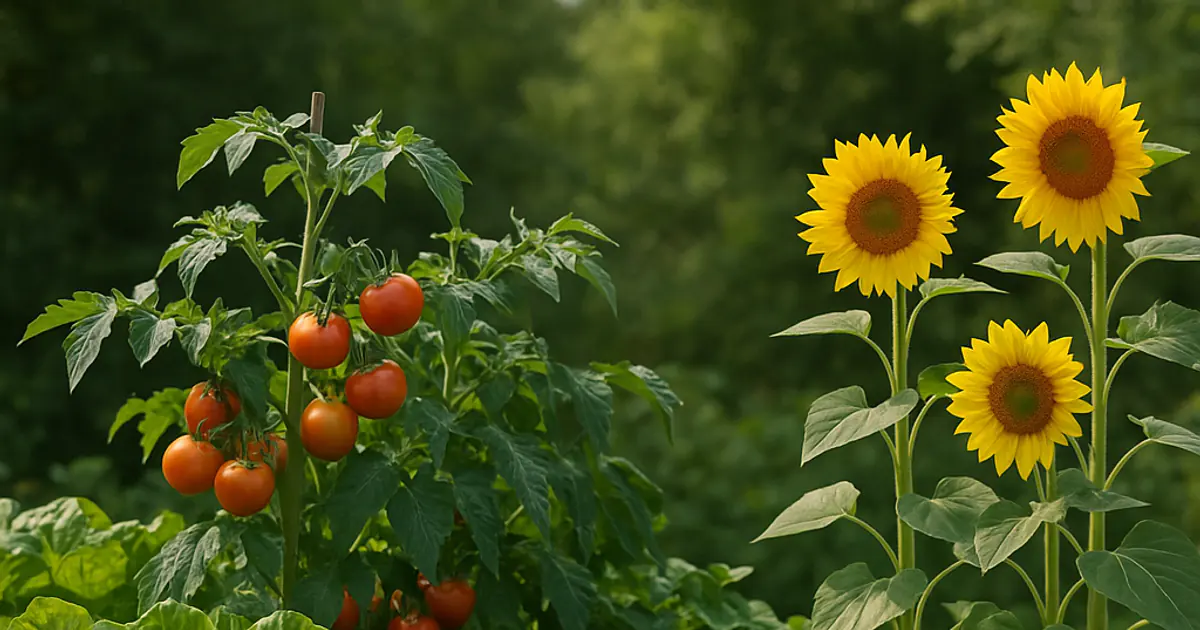 Gardening & Plants homeschool curriculum
A homeschool curriculum grown in the garden — botany, ecology, math and patience through growing food and plants, for K-12 learners.
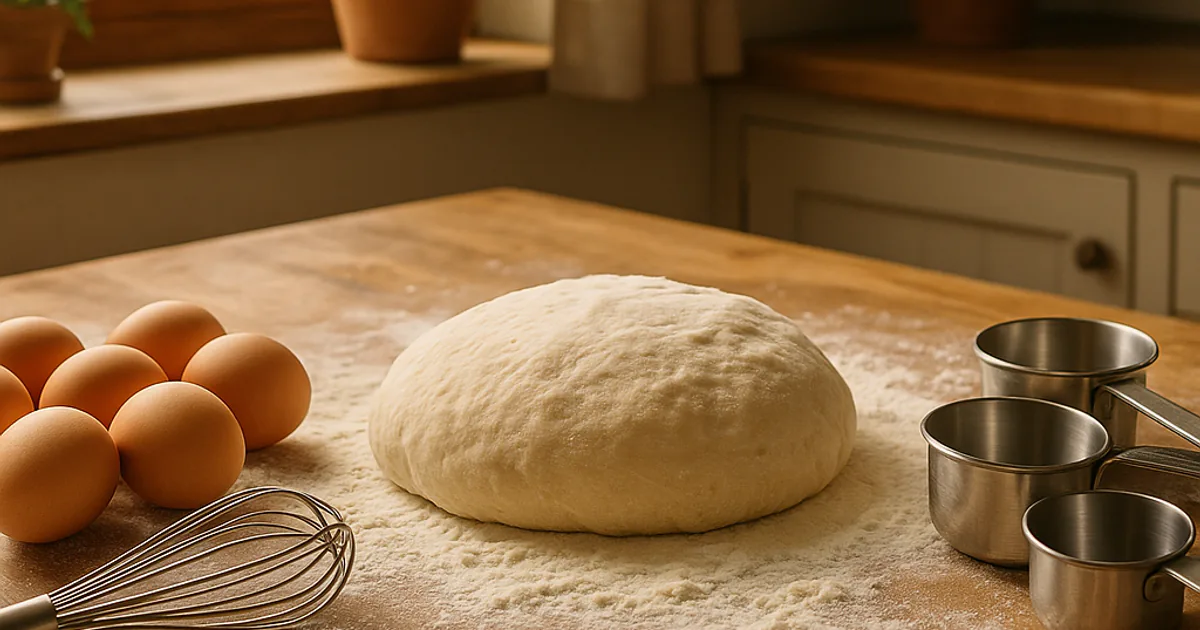 Cooking & Baking homeschool curriculum
The kitchen as classroom — fractions, chemistry, world geography and budgeting through a cooking-centered homeschool curriculum, K-12.
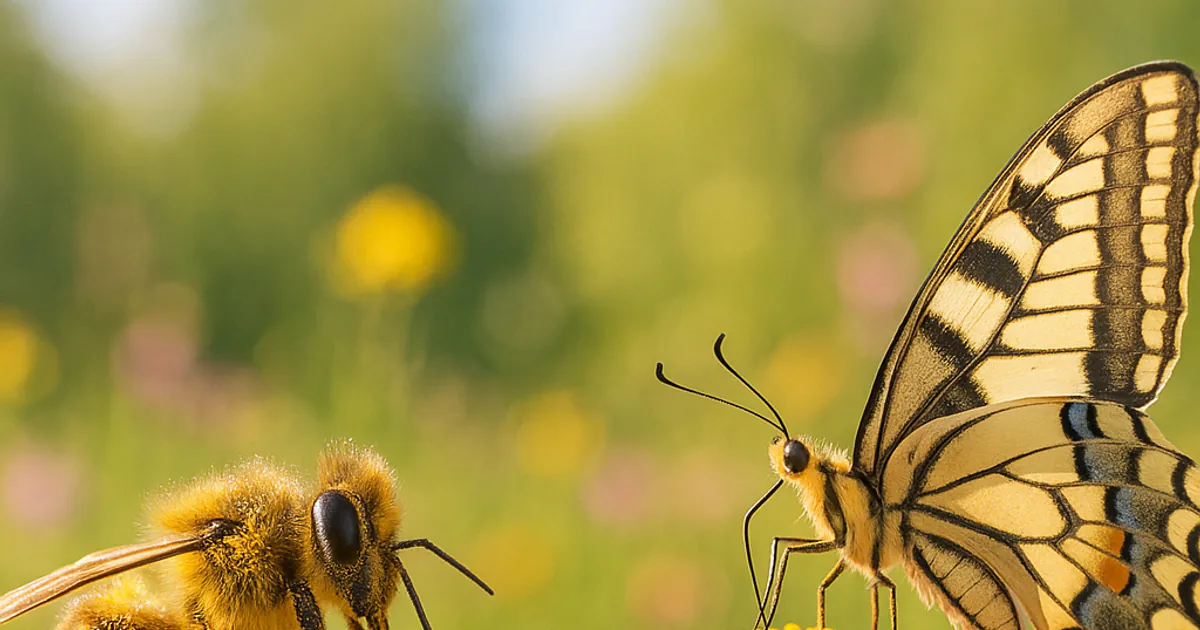 Bees & Butterflies homeschool curriculum
A pollinator homeschool curriculum for K-12 — bee and butterfly life cycles, the monarch migration, hive society and a pollinator garden taught through science, math, reading and art, with a six-week plan.
Ready to build a farming unit for your child?
Generate a complete, standards-aligned curriculum around this interest in minutes — free to try, no account required.